Italo Calvino diye çok sevdiğim bir yazarın Görünmez Kentler diye çok çok sevdiğim bir kitabı vardır. Mimarlık okuyanlar, hepsi değil de biraz benim kuşaktakiler aşinadır bu kitaba. Issız adaya düşsem alacağım 3-5 kitabın içinde mutlaka yer alır. Calvino’nun mistik ve okuyanı kolayca başka bir aleme taşıyan anlatımı bence insanın içinde kolaylıkla tarif edemeyeceği yerlere değer.
Bu kitapla tanışmamın hikayesi de güzel, kentlerle ilgili. 1995 yılı, mimarlık öğrencisiyim, birinci sınıf hatta onun da başları. Mimarlık eğitimine başlayan her öğrenci gibi şaşkınım. Matematik, kimya vs… sorularının içinden, şıkların arasındaki doğru seçeneği bulma yarışından bir şekilde düştüğüm mimarlık 1. sınıfında tasarım, sanat, yaratıcılık gibi kavramlarla başa çıkmaya çalışıyorum. El yordamıyla bir şeyler yapıyor, bir yandan da İstanbul’a alışmaya çalışıyorum. Neyse ki biraz tesadüflere bağlı olarak gelişen bir okuma müptelalığım var. Kitap okumayı seviyorum. Bunun yardımı oluyor.
Hocalar bir derste Gaston Bachelard’ın Mekanın Poetikası diye bir kitap var diyorlar, bütün İstanbul’u arıyorum, baskısı tükenmiş kitabın. Taksim’de kitabevinin deposunda buluyorum, bir heves okumaya çalışıyorum, hiç bir şey anlamıyorum. Biraz bozuluyorum. (Bu kitaba hala ara sıra başlar, pek anlayamaz, bırakırım)
Başka bir ders, Görünmez Kentler diyorlar, yazarı Italo Calvino. O akşam da bir yere gideceğim. Başka bir kente, akşama biletim var. Kitabı galiba bu sefer de Cağaloğlu’nda bulup oradan Esenler otogarına geçiyorum. Otobüsün kalkmasına daha 8 saat var ve başlıyorum okumaya. O büyülü dünya beni bir sarıyor ki, bitirmeden bırakamıyorum kitabı. O gün otogarda kentler arası bir arafta okuyorum Görünmez Kentler’i. Sonra ara sıra, parça parça hayatım boyunca okumaya devam ediyorum.
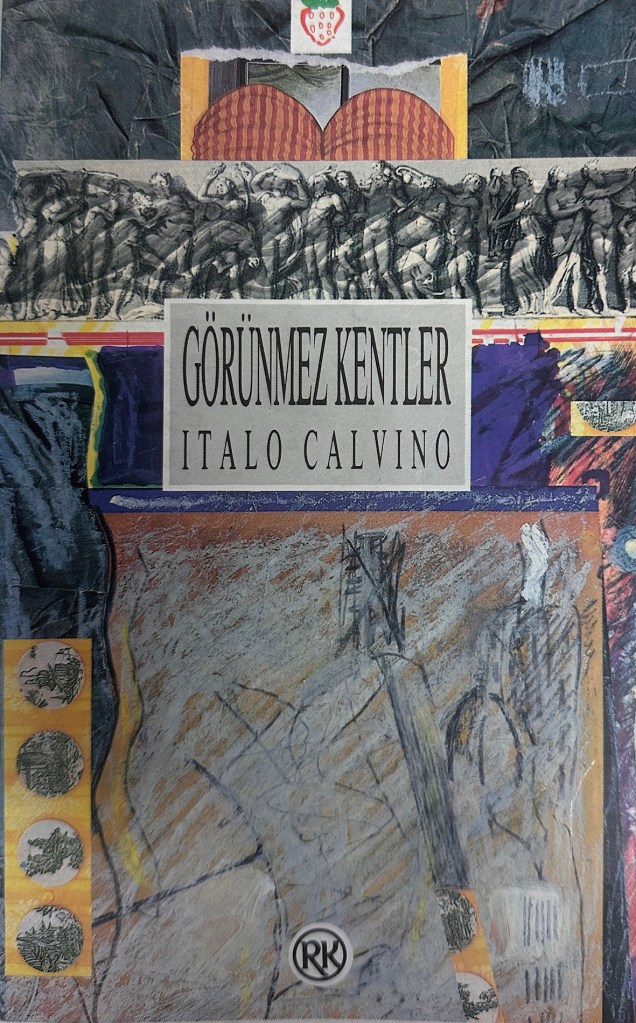
Daha sonra başka yayınevlerinden başka kapaklarla basıldı.
Bırakamıyorum okumayı. Uzun uzun övmeyeceğim kitabı ama uzun uzun övmüş kabul edin. Buraya çok etkilendiğim bir kaç paragrafı alsam mı dedim ama sonra vazgeçtim. Kitap tanıtımı değil sonuçta amacım, başka bir şey.
Şimdi, ne yapacağımı anlatayım. Bu Görünmez Kentler kitabında Marco Polo, Kubilay Han’a 55 tane kenti anlatır tek tek. Tabi, biraz gerçeküstü, biraz şiirsel ve hafif de gizemli bir dille anlatılan kurgusal bir hikaye bu.
Neyse bu kitabı görselleştirmeye çalışacağım. Belki yapılacak şey değil, belki de başkası yapsa kızacağım ama duramadım, ve yaptım. Bu kentleri tek tek yapay zekaya yükleyip görselleştirmesini istedim. Tabi hepsini tek tek yapmak uzun zaman ve sabır gerektiriyor, o kadar yapabilir miyim ya da ne kadar sürer bilmiyorum ama bir kısmını görselleştirdikten sonra yüklemeye başlayacağım ve belki fırsat buldukça ekleye ekleye tamamlarım. Bakalım…
İtiraf edeyim, bu biraz işin büyüsünü kaçıran, kitabın anlamını ıskalayan bir şey. Aslında Calvino’nun kentleri her okuyuşta değişik hayaller kurduran belki de bunun için yazılmış kentler. Hatta ilginç bir şey söyleyeyim, Calvino yorumcularından birisi aslında hepsinin aynı kent olduğunu söylüyordu. Yani aynı kentin farklı tarifleri belki bunlar. Dolayısıyla metinleri görsellerde sabitlemek kitabı anlamamak belki de bir anlamda. Ama dedim ya, aklıma bu fikir girince duramadım.
Şunu da itiraf edeyim, bu kadar gaza geldiğime bakmayın, çok da orijinal bir fikir değil. Mimarlık -ve belki başka bölümlerin- hocaları özellikle 1. sınıfta bu metinleri öğrencilere ödev olarak verip çizimini veya maketini yapmalarını sık sık ister. Hatta belki uyanığın biri benden önce yapay zekaya yaptırmış bile olabilir. Valla araştırmayacağım bunu. Bulursam canım sıkılır çünkü. Neyse, varsa da sonuçta her yapay zeka denemesinin yorumu farklı olacağı için bu da benim versiyonum olur.
Aşağıya kentlerin tariflerini ve yapay zeka üretimi görsellerini koyacağım… Sonra belki üstüne yazarım bir şeyler.
Normal bir akademisyen böyle bir konudan muhtemelen 3 makale çıkarıp tumturaklı bir dil ve onlarca kaynak üfürerek kimsenin okumadığı dergilerde puan peşinde koşardı (şimdiye kadar yapılmadıysa eminim kısa sürede yapılır) ama ben buraya yazayım dedim, bu kıyağımı da unutmayın… Bu arada fikrimi araklayıp makale yazan akademisyen olursa gönül koyarım ona göre…
Görselleştirmeler için Google Gemini Nano Banana yapay zeka aracını kullandım. Görselleştirme metinlerini daha geniş bir tarama arkaplanı olsun diye İngilizce olarak girdim, ileride Türkçelerini de altına eklerim, yani işalla… Ama daha iyisi kitabı alın okuyun siz. Doğru ya, Türkçelerini koymayayım. Hem copyright ihlali olur hem de Calvino’ya ayıp olur… En iyisi şöyle yapalım. Siz kitabı alın, kentleri okudukça ara sıra buraya göz atın.
Hadi başlayalım…
BÖLÜM 1
Kentler ve Anı – 1
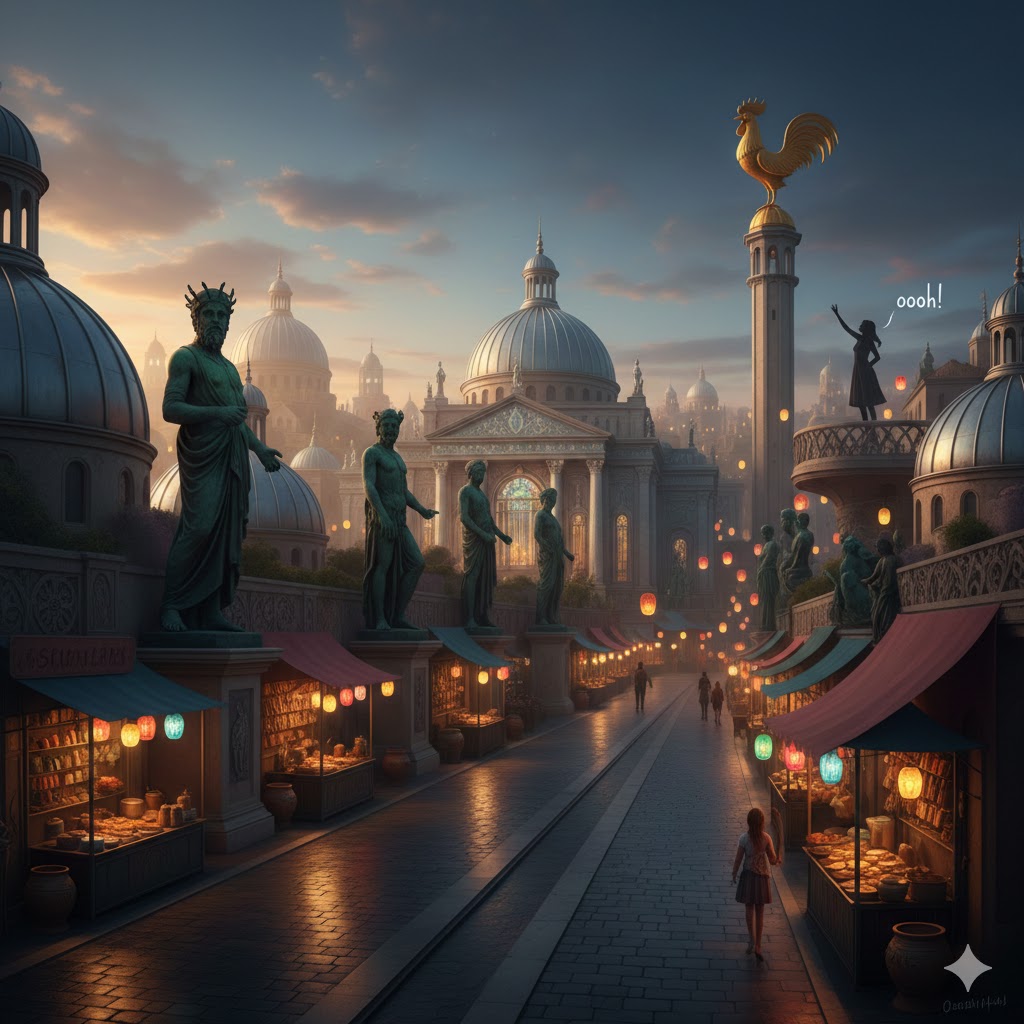
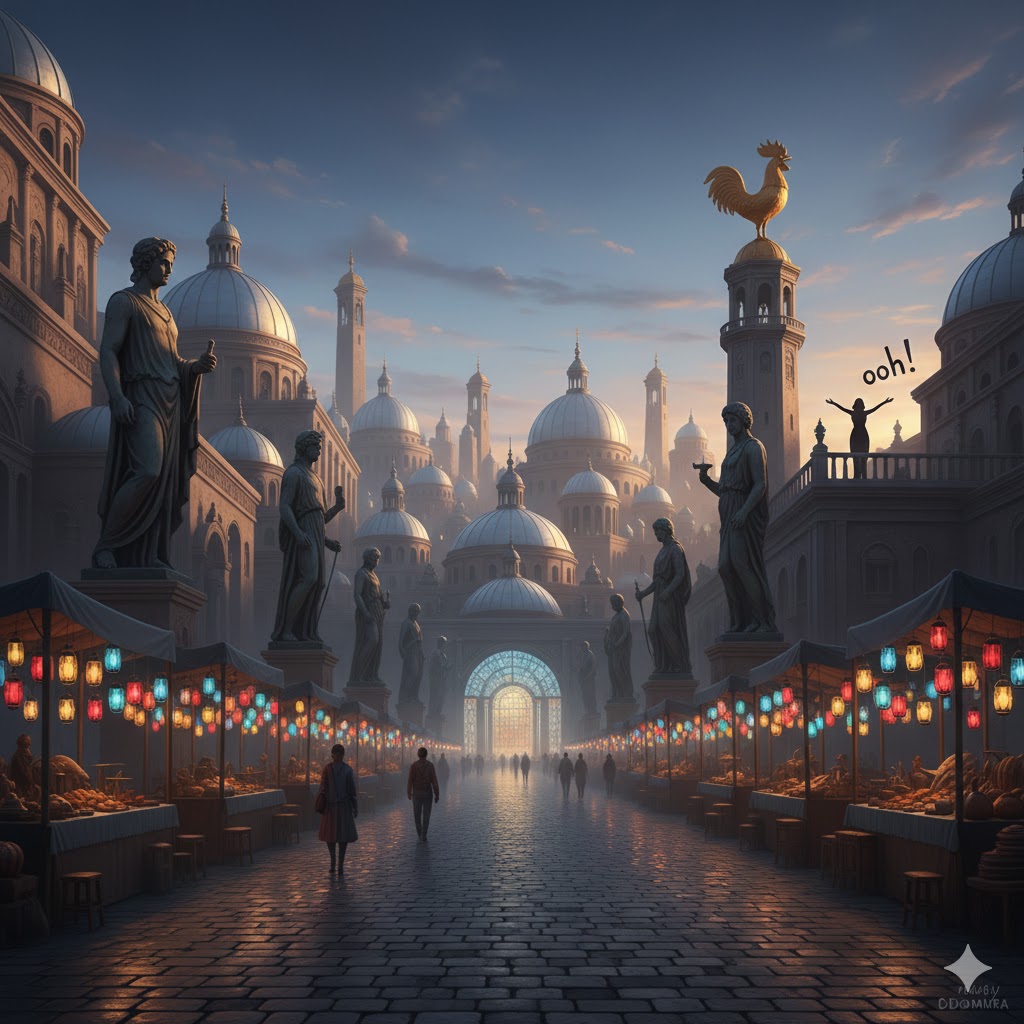
DIOMIRA
“Leaving there and proceeding for three days toward the east, you reach Diomira, a city with sixty silver domes, bronze statues of all the gods, streets paved with lead, a crystal theater, a golden cock that crows each morning on a tower. All these beauties will already be familiar to the visitor, who has seen them also in other cities. But the special quality of this city for the man who arrives there on a September evening, when the days are growing shorter and the multicolored lamps are lighted all at once at the doors of the food stalls and from a terrace a woman’s voice cries ooh!, is that he feels envy toward those who now believe they have once before lived an evening identical to this and who think they were happy, that time.”
Kentler ve Anı – 2
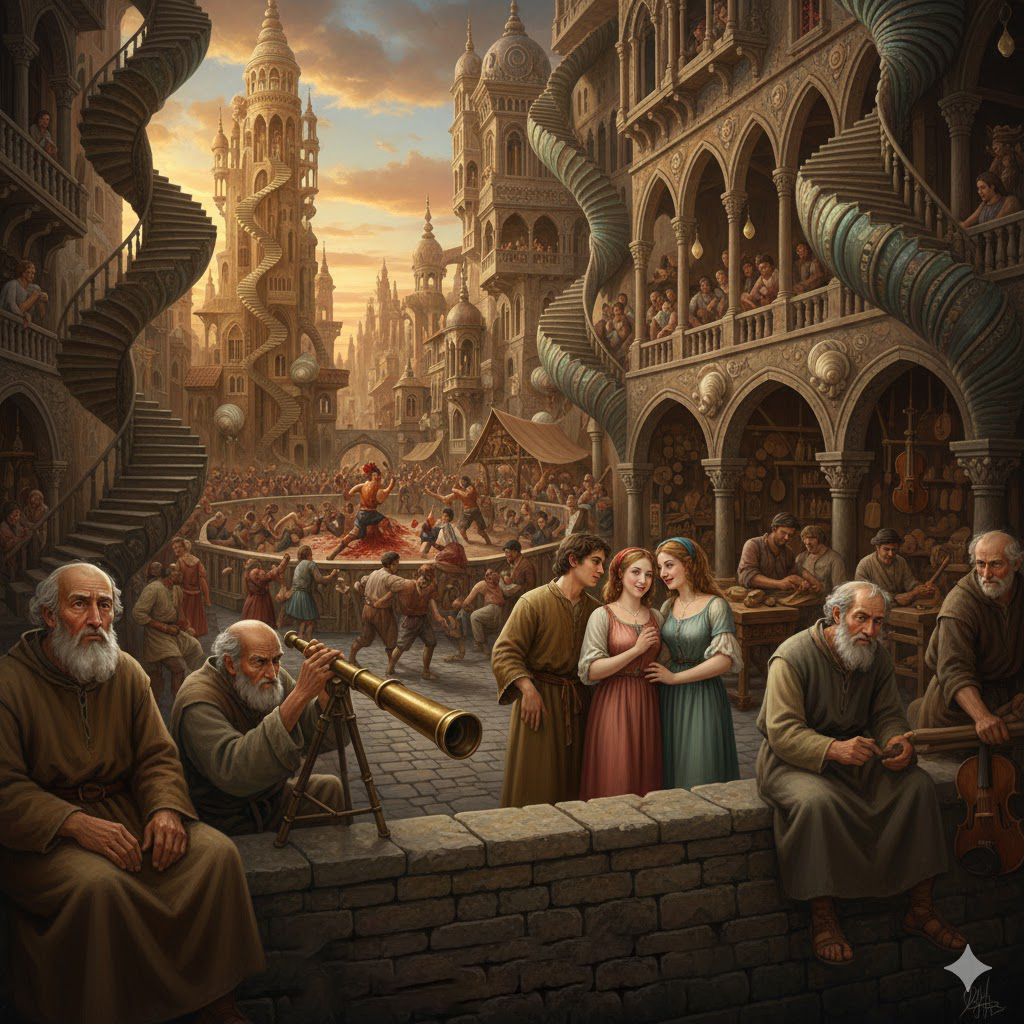
ISIDORA
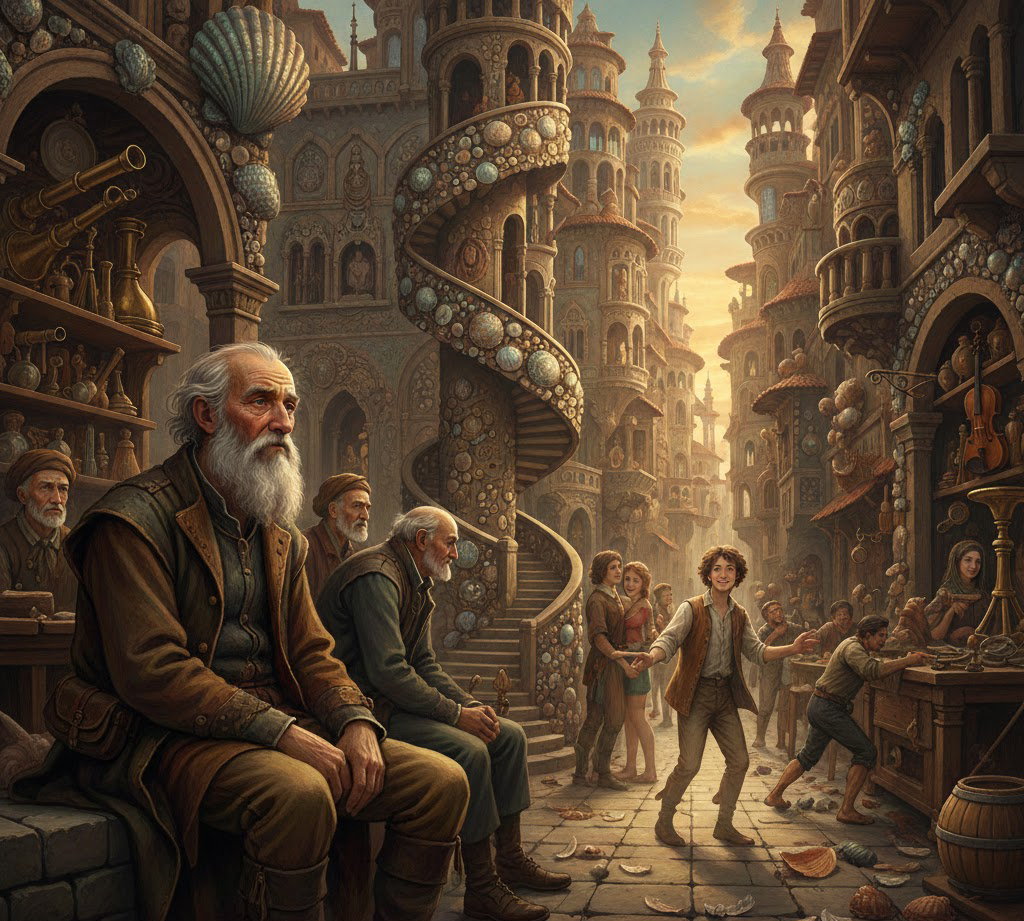
“When a man rides a long time through wild regions he feels the desire for a city. Finally he comes to Isidora, a city where the buildings have spiral staircases encrusted with spiral seashells, where perfect telescopes and violins are made, where the foreigner hesitating between two women always encounters a third, where cockfights degenerate into bloody brawls among the bettors. He was thinking of all these things when he desired a city. Isidora, therefore, is the city of his dreams: with one difference. The dreamed-of city contained him as a young man; he arrives at Isidora in his old age. In the square there is the wall where the old men sit and watch the young go by; he is seated in a row with them. Desires are already memories.”
Kentler ve Arzu – 1
DOROTEA
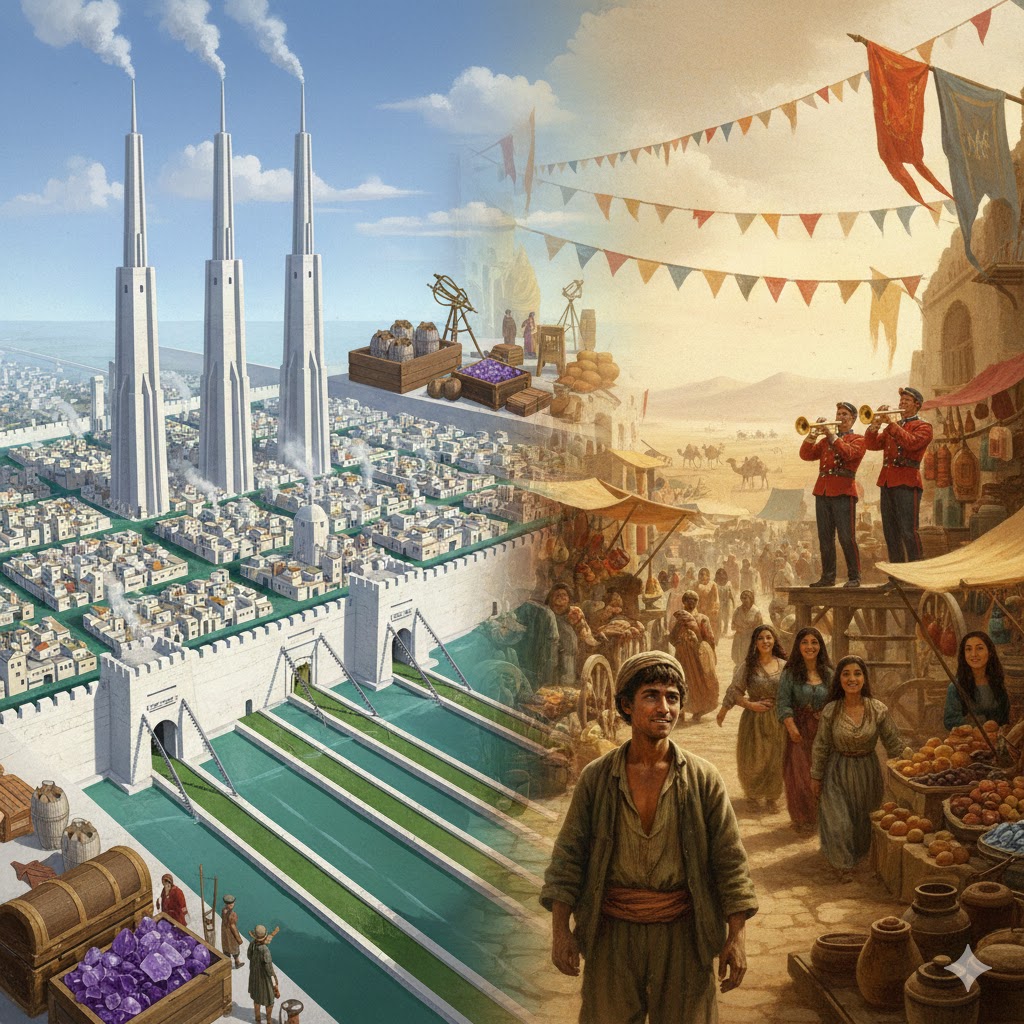
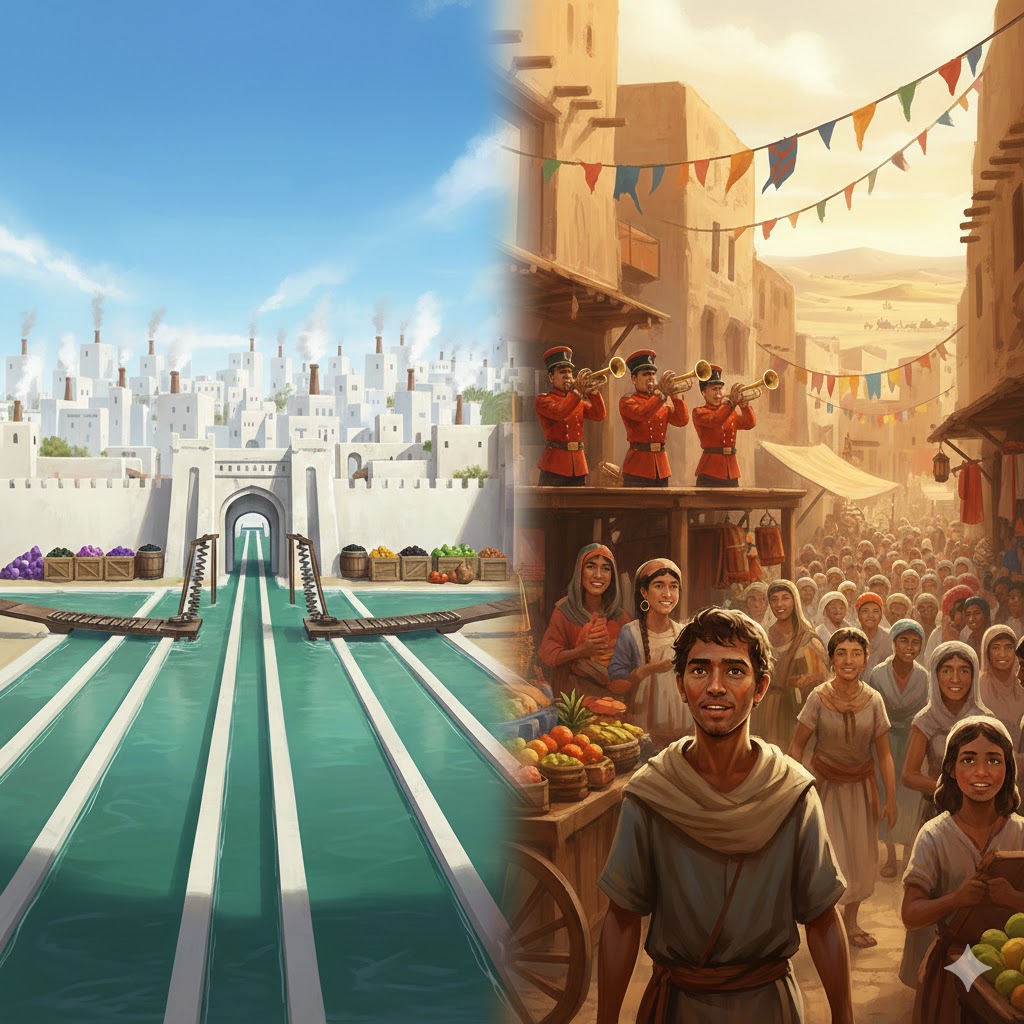
“There are two ways of describing the city of Dorothea: you can say that four aluminum towers rise from its walls flanking seven gates with spring-operated drawbridges that span the moat whose water feeds four green canals which cross the city, dividing it into nine quarters, each with three hundred houses and seven hundred chimneys. And bearing in mind that the nubile girls of each quarter marry youths of other quarters and their parents exchange the goods that each family holds in monopoly—bergamot, sturgeon roe, astrolabes, amethysts—you can then work from these facts until you learn everything you wish about the city in the past, present, and future. Or else you can say, like the camel driver who took me there: “I arrived here in my first youth, one morning, many people were hurrying along the streets toward the market, the women had fine teeth and looked you straight in the eye, three soldiers on a platform played the trumpet, and all around wheels turned and colored banners fluttered in the wind. Before then I had known only the desert and the caravan routes. In the years that followed, my eyes returned to contemplate the desert expanses and the caravan routes; but now I know this path is only one of the many that opened before me on that morning in Dorothea.”
Kentler ve Anı – 3
ZAIRA
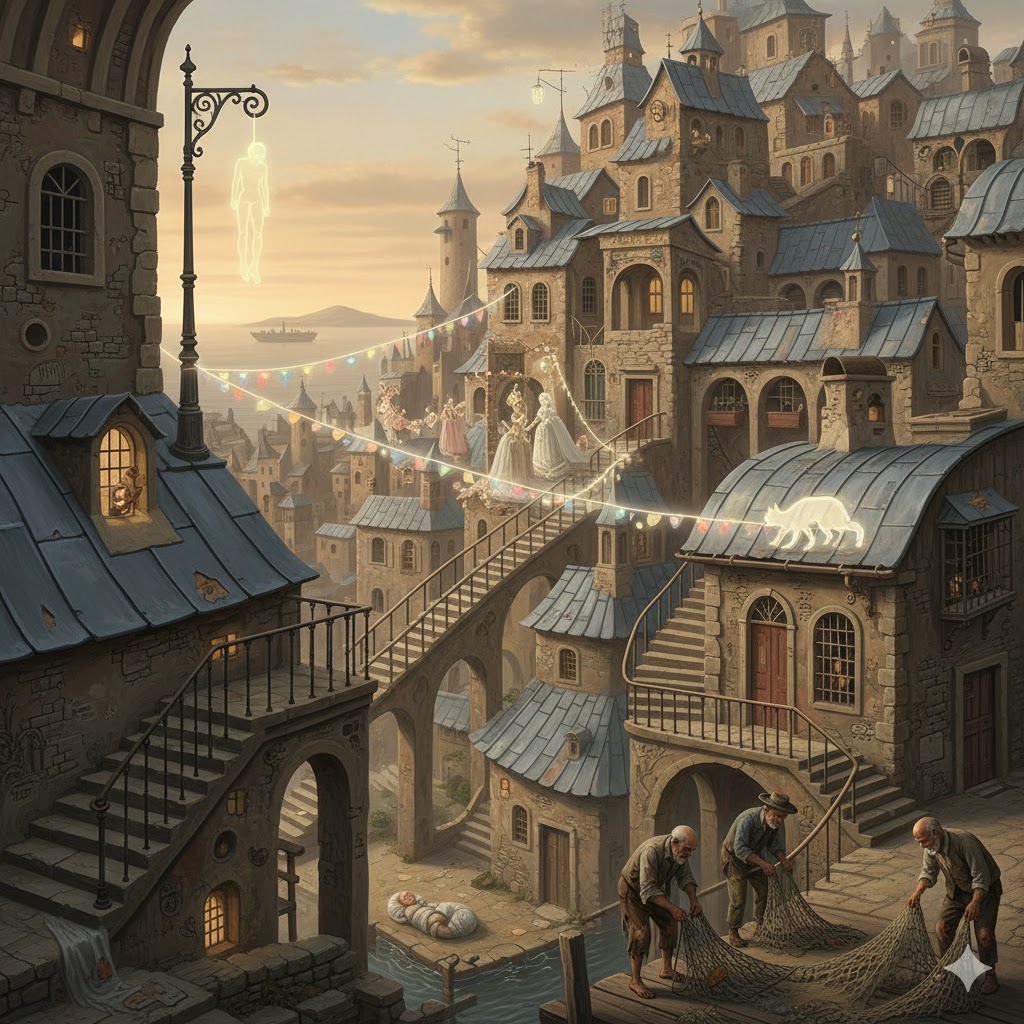
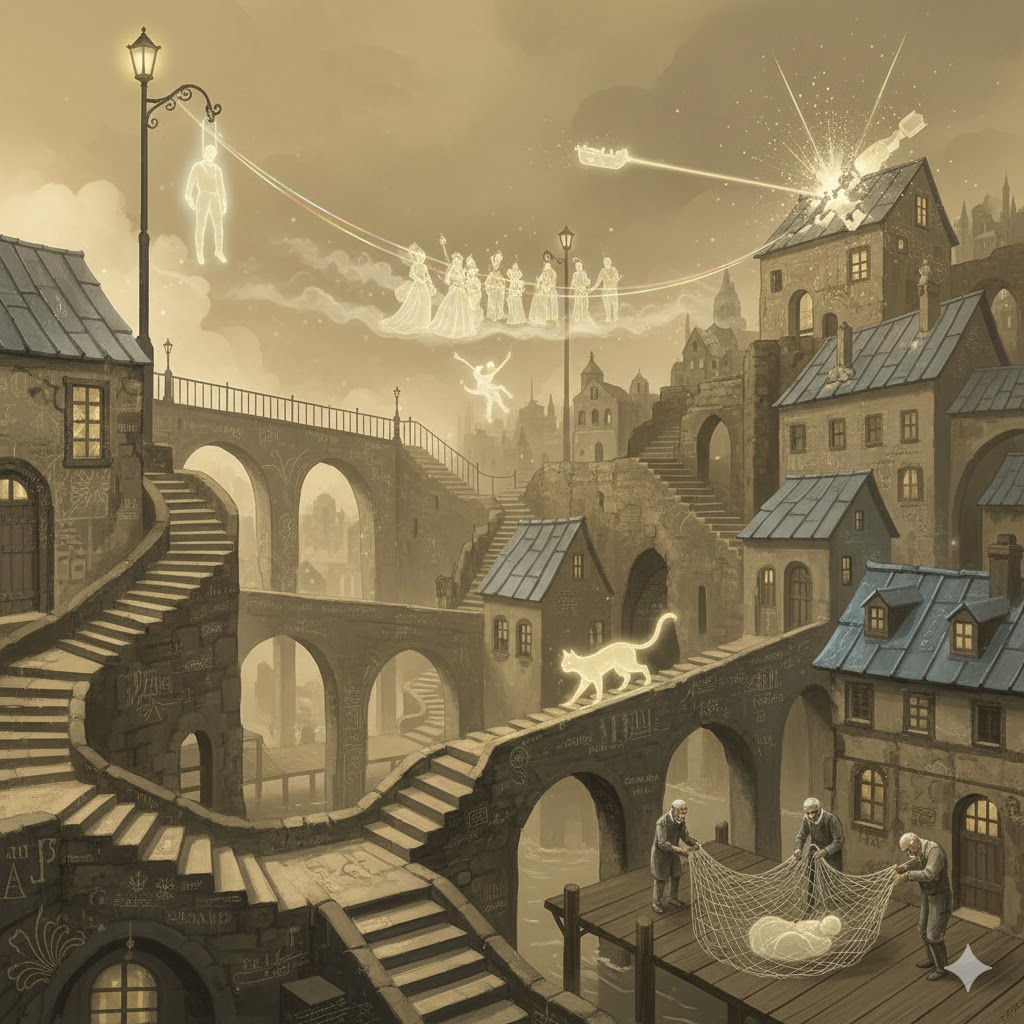
“In vain, great-hearted Kublai, shall I attempt to describe Zaira, city of high bastions. I could tell you how many steps make up the streets rising like stairways, and the degree of the arcades’ curves, and what kind of zinc scales cover the roofs; but I already know this would be the same as telling you nothing. The city does not consist of this, but of relationships between the measurements of its space and the events of its past: the height of a lamppost and the distance from the ground of a hanged usurper’s swaying feet; the line strung from the lamppost to the railing opposite and the festoons that decorate the course of the queen’s nuptial procession; the height of that railing and the leap of the adulterer who climbed over it at dawn; the tilt of a guttering and a cat’s progress along it as he slips into the same window; the firing range of a gunboat which has suddenly appeared beyond the cape and the bomb that destroys the guttering; the rips in the fish net and the three old men seated on the dock mending nets and telling each other for the hundredth time the story of the gunboat of the usurper, who some say was the queen’s illegitimate son, abandoned in his swaddling clothes there on the dock. As this wave from memories flows in, the city soaks it up like a sponge and expands. A description of Zaira as it is today should contain all Zaira’s past. The city, however, does not tell its past, but contains it like the lines of a hand, written in the corners of the streets, the gratings of the windows, the banisters of the steps, the antennae of the lightning rods, the poles of the flags, every segment marked in turn with scratches, indentations, scrolls.”
Kentler ve Arzu – 2
ANASTASIA
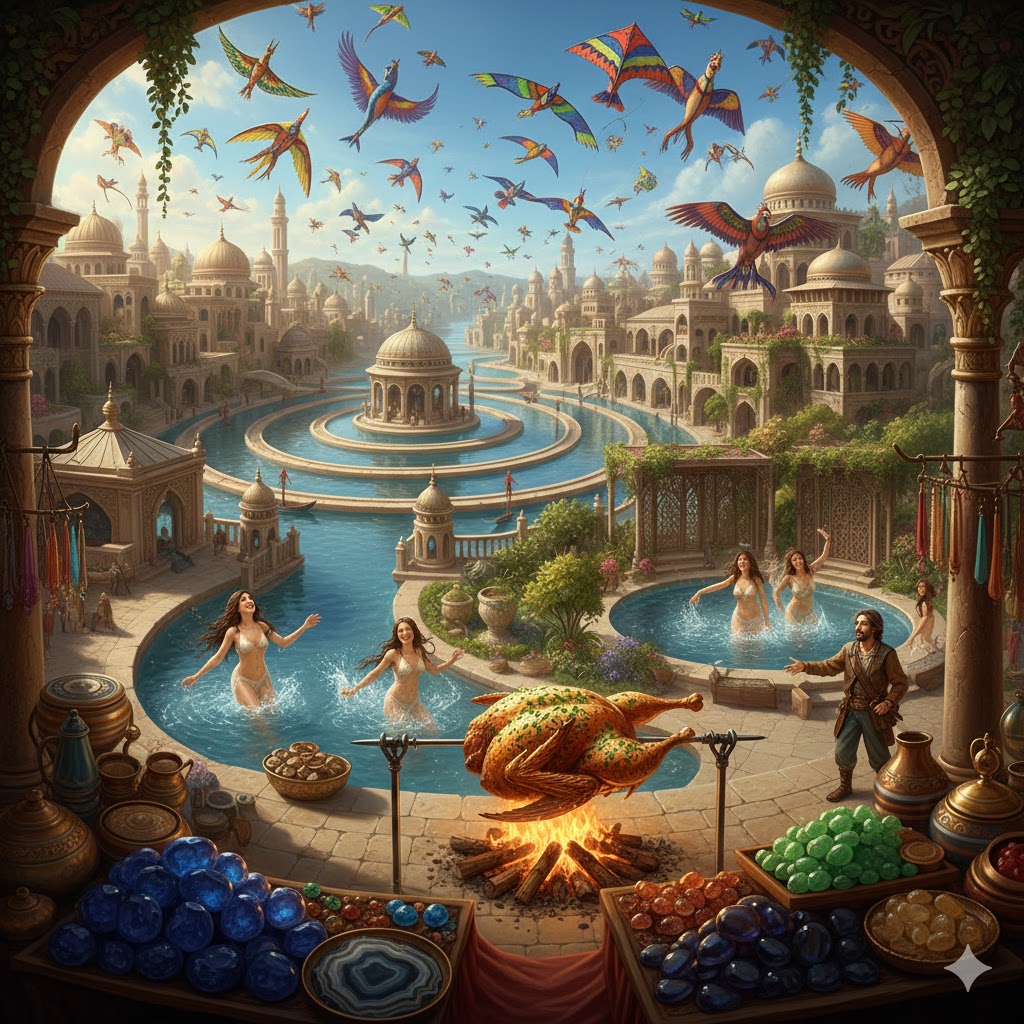
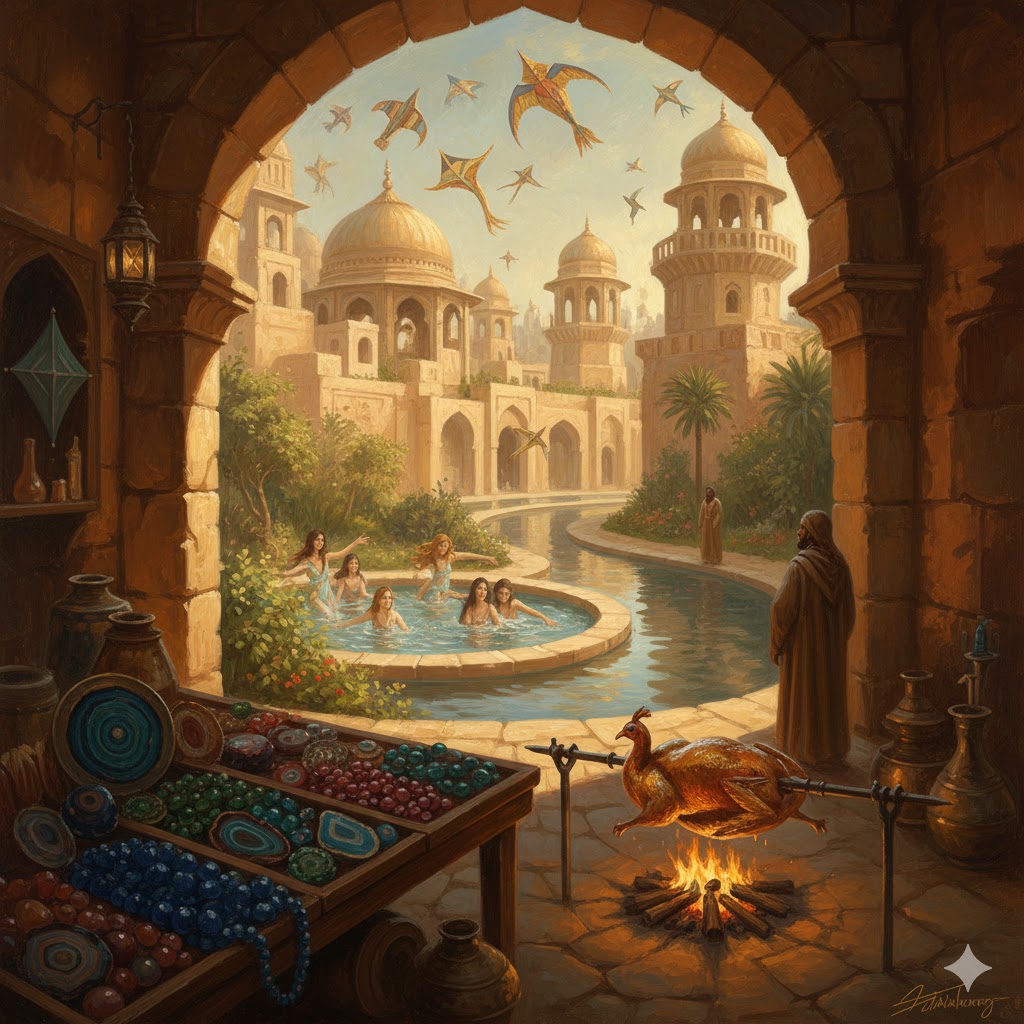
“At the end of three days, moving southward, you come upon Anastasia, a city with concentric canals watering it and kites flying over it. I should now list the wares that can profitably be bought here: agate, onyx, chrysoprase, and other varieties of chalcedony; I should praise the flesh of the golden pheasant cooked here over fires of seasoned cherry wood and sprinkled with much sweet marjoram; and tell of the women I have seen bathing in the pool of a garden and who sometimes it is said invite the stranger to disrobe with them and chase them in the water. But with all this, I would not be telling you the city’s true essence; for while the description of Anastasia awakens desires one at a time only to force you to stifle them, when you are in the heart of Anastasia one morning your desires waken all at once and surround you. The city appears to you as a whole where no desire is lost and of which you are a part, and since it enjoys everything you do not enjoy, you can do nothing but inhabit this desire and be content. Such is the power, sometimes called malignant, sometimes benign, that Anastasia, the treacherous city, possesses; if for eight hours a day you work as a cutter of agate, onyx, chrysoprase, your labor which gives form to desire takes from desire its form, and you believe you are enjoying Anastasia wholly when you are only its slave.”
Kentler ve Göstergeler – 1
TAMARA
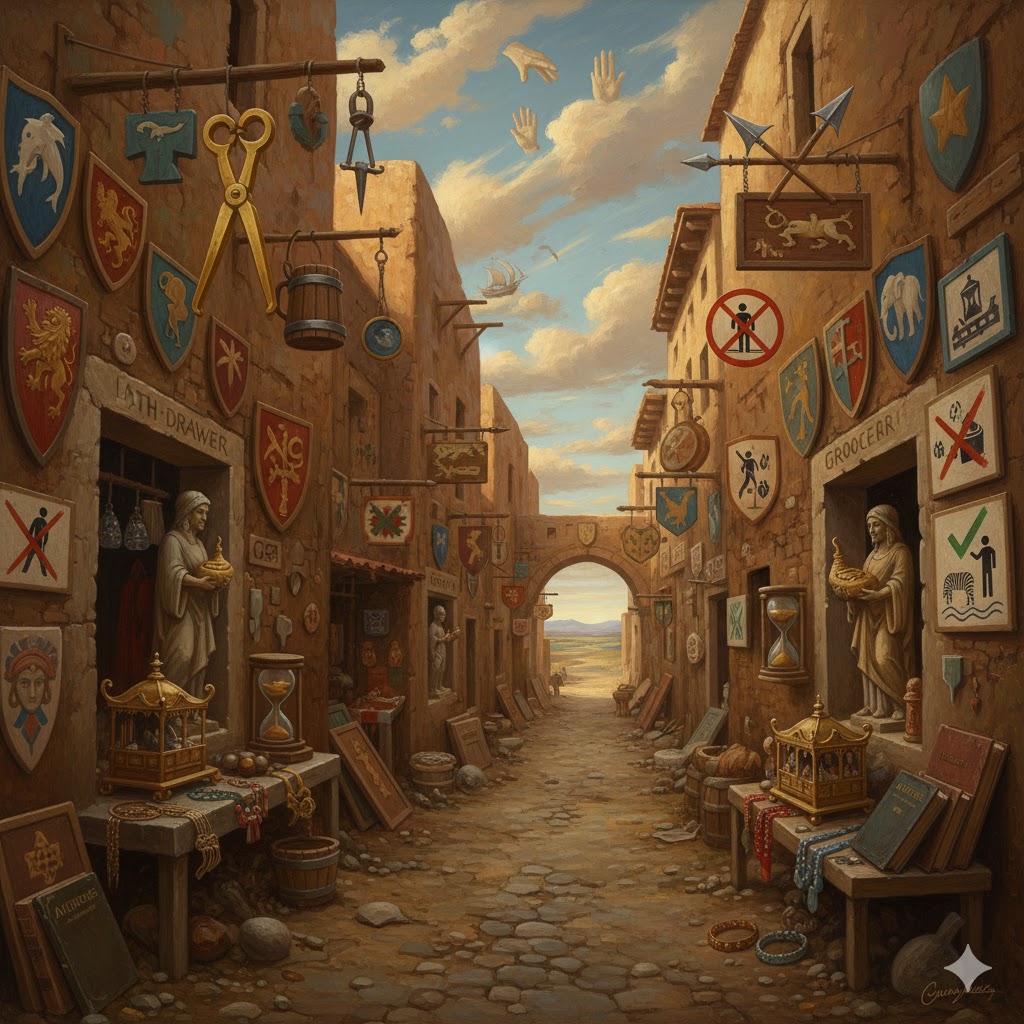
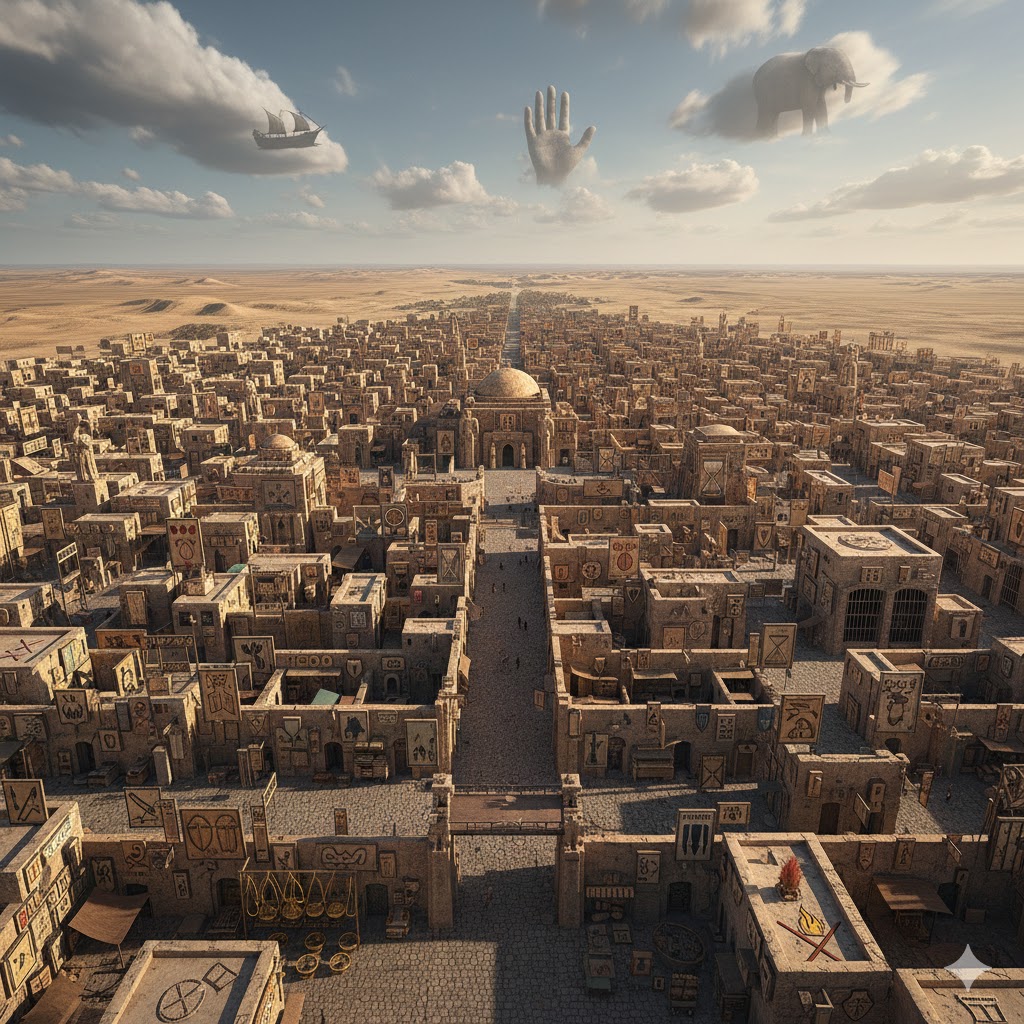
“You walk for days among trees and among stones. Rarely does the eye light on a thing, and then only when it has recognized that thing as the sign of another thing: a print in the sand indicates the tiger’s passage; a marsh announces a vein of water; the hibiscus flower, the end of winter. All the rest is silent and interchangeable; trees and stones are only what they are. Finally the journey leads to the city of Tamara. You penetrate it along streets thick with signboards jutting from the walls. The eye does not see things but images of things that mean other things: pincers point out the tooth-drawer’s house; a tankard, the tavern; halberds, the barracks; scales, the grocer’s. Statues and shields depict lions, dolphins, towers, stars: a sign that something—who knows what?—has as its sign a lion or a dolphin or a tower or a star. Other signals warn of what is forbidden in a given place (to enter the alley with wagons, to urinate behind the kiosk, to fish with your pole from the bridge) and what is allowed (watering zebras, playing bowls, burning relatives’ corpses). From the doors of the temples the gods’ statues are seen, each portrayed with his attributes—the cornucopia, the hourglass, the medusa—so that the worshiper can recognize them and address his prayers correctly. If a building has no signboard or figure, its very form and the position it occupies in the city’s order suffice to indicate its function: the palace, the prison, the mint, the Pythagorean school, the brothel. The wares, too, which the vendors display on their stalls are valuable not in themselves but as signs of other things: the embroidered headband stands for elegance; the gilded palanquin, power; the volumes of Averroes, learning; the ankle bracelet, voluptuousness. Your gaze scans the streets as if they were written pages: the city says everything you must think, makes you repeat her discourse, and while you believe you are visiting Tamara you are only recording the names with which she defines herself and all her parts. However the city may really be, beneath this thick coating of signs, whatever it may contain or conceal, you leave Tamara without having discovered it. Outside, the land stretches, empty, to the horizon; the sky opens, with speeding clouds. In the shape that chance and wind give the clouds, you are already intent on recognizing figures: a sailing ship, a hand, an elephant.”
Kentler ve Anı – 4
ZORA
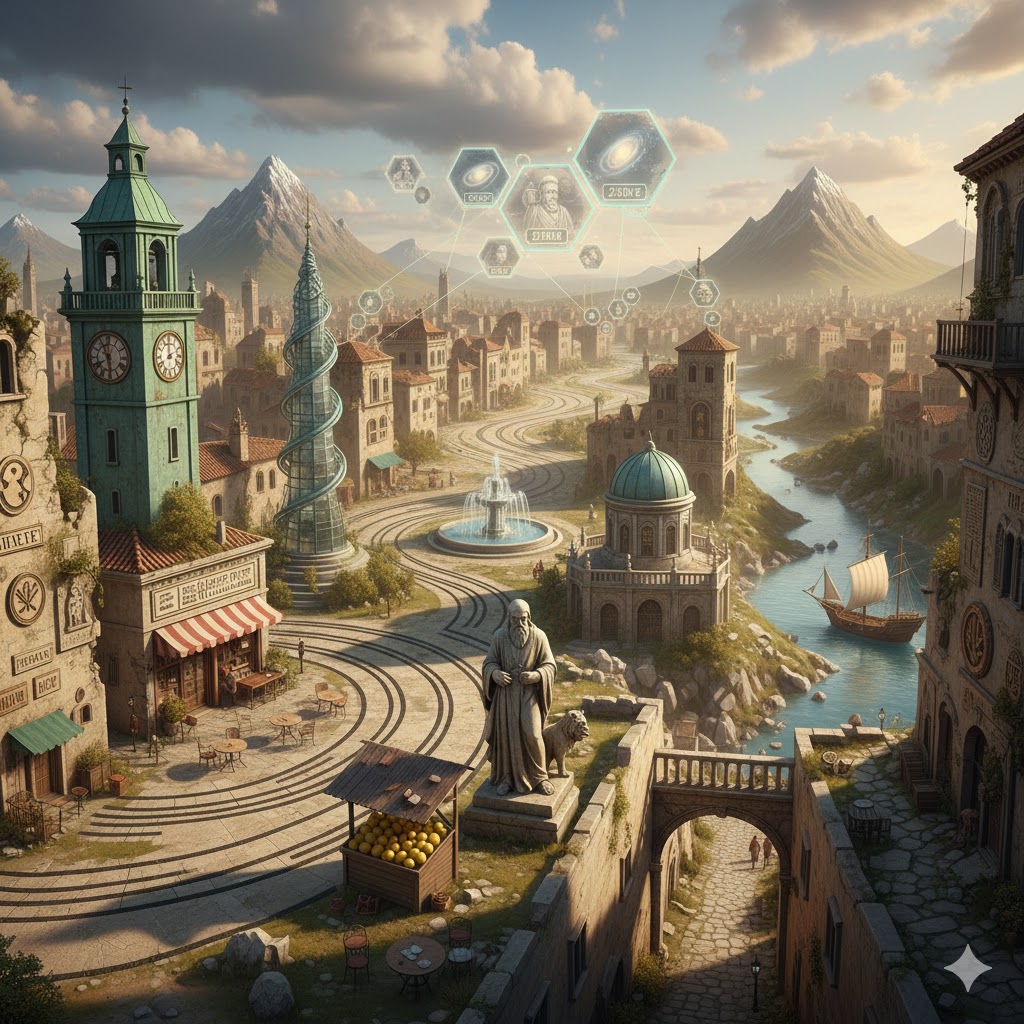
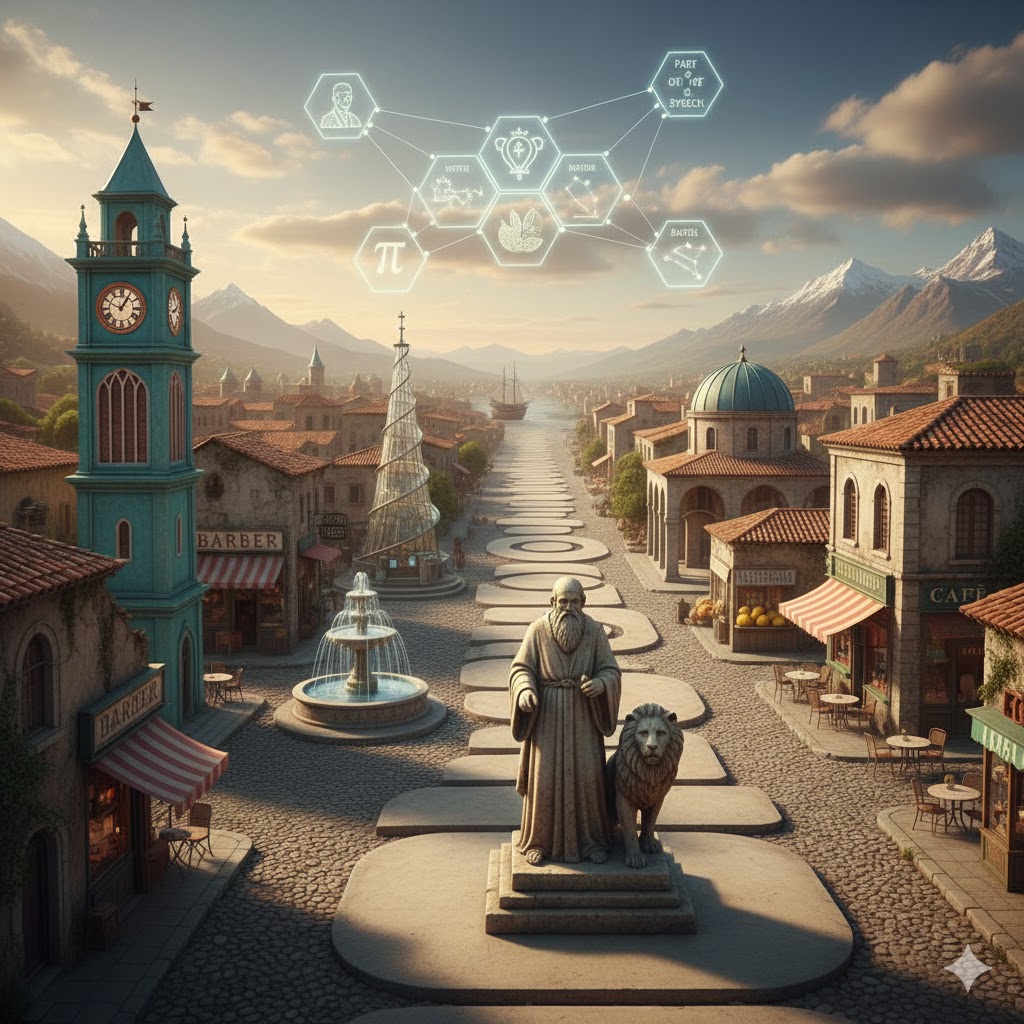
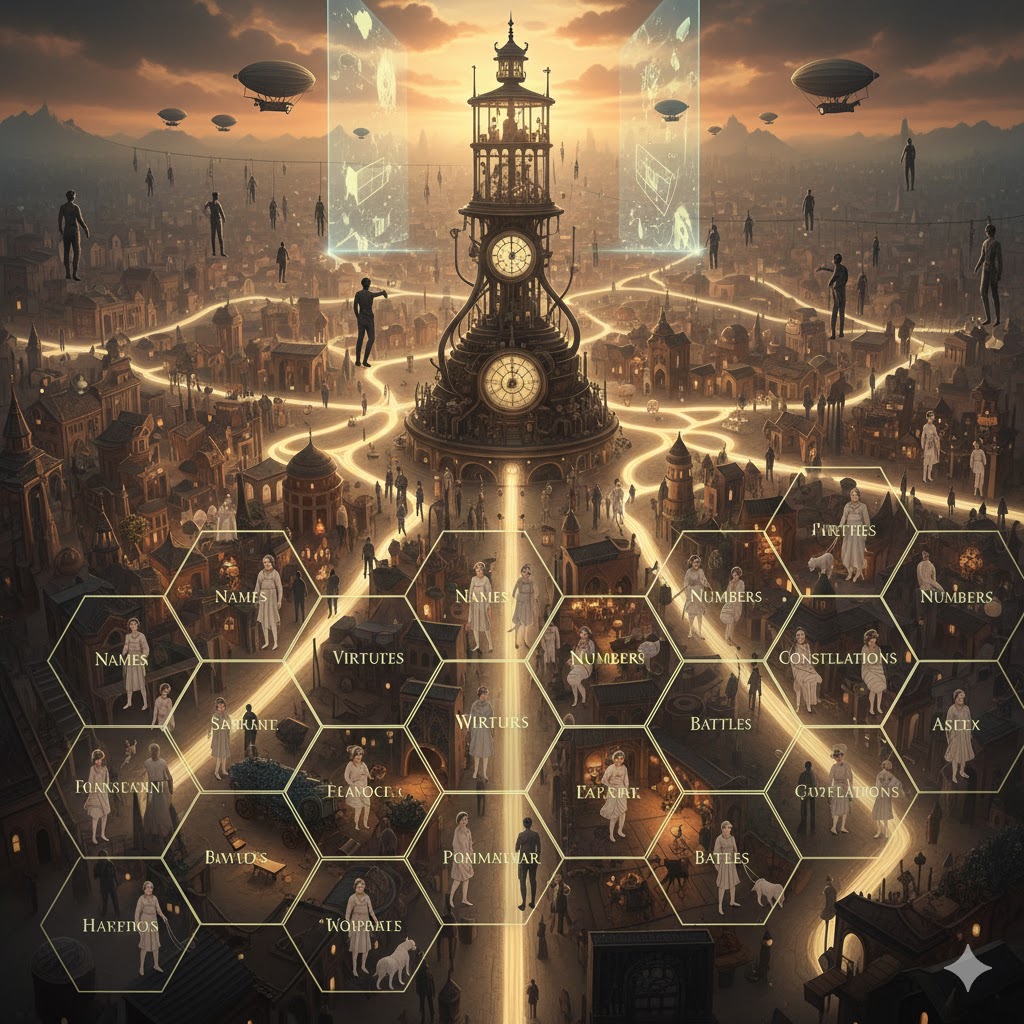
“Beyond six rivers and three mountain ranges rises Zora, a city that no one, having seen it, can forget. But not because, like other memorable cities, it leaves an unusual image in your recollections. Zora has the quality of remaining in your memory point by point, in its succession of streets, of houses along the streets, and of doors and windows in the houses, though nothing in them possesses a special beauty or rarity. Zora’s secret lies in the way your gaze runs over patterns following one another as in a musical score where not a note can be altered or displaced. The man who knows by heart how Zora is made, if he is unable to sleep at night, can imagine he is walking along the streets and he remembers the order by which the copper clock follows the barber’s striped awning, then the fountain with the nine jets, the astronomer’s glass tower, the melon vendor’s kiosk, the statue of the hermit and the lion, the Turkish bath, the café at the corner, the alley that leads to the harbor. This city which cannot be expunged from the mind is like an armature, a honeycomb in whose cells each of us can place the things he wants to remember: names of famous men, virtues, numbers, vegetable and mineral classifications, dates of battles, constellations, parts of speech. Between each idea and each point of the itinerary an affinity or a contrast can be established, serving as an immediate aid to memory
So the world’s most learned men are those who have memorized Zora. But in vain I set out to visit the city: forced to remain motionless and always the same, in order to be more easily remembered, Zora has languished, disintegrated, disappeared. The earth has forgotten her.”
Kentler ve Arzu – 3
DESPINA
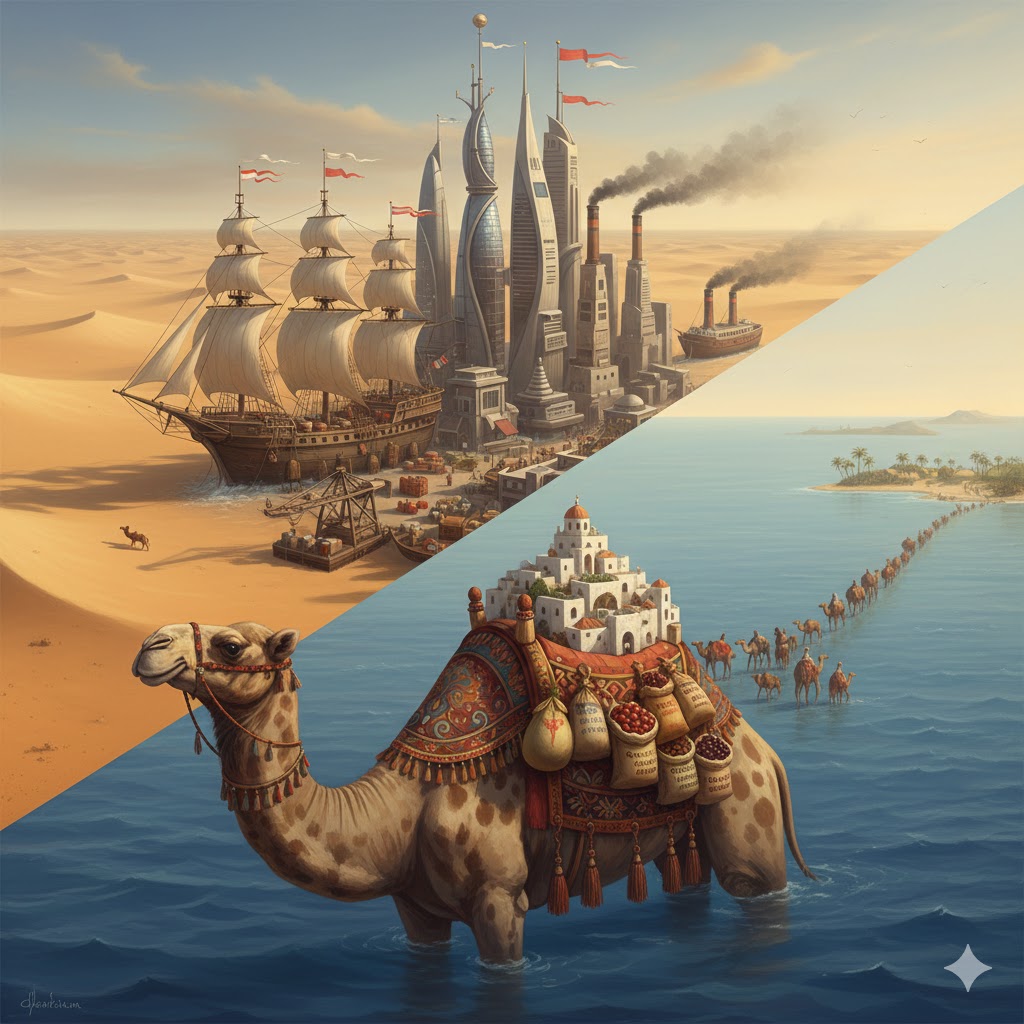
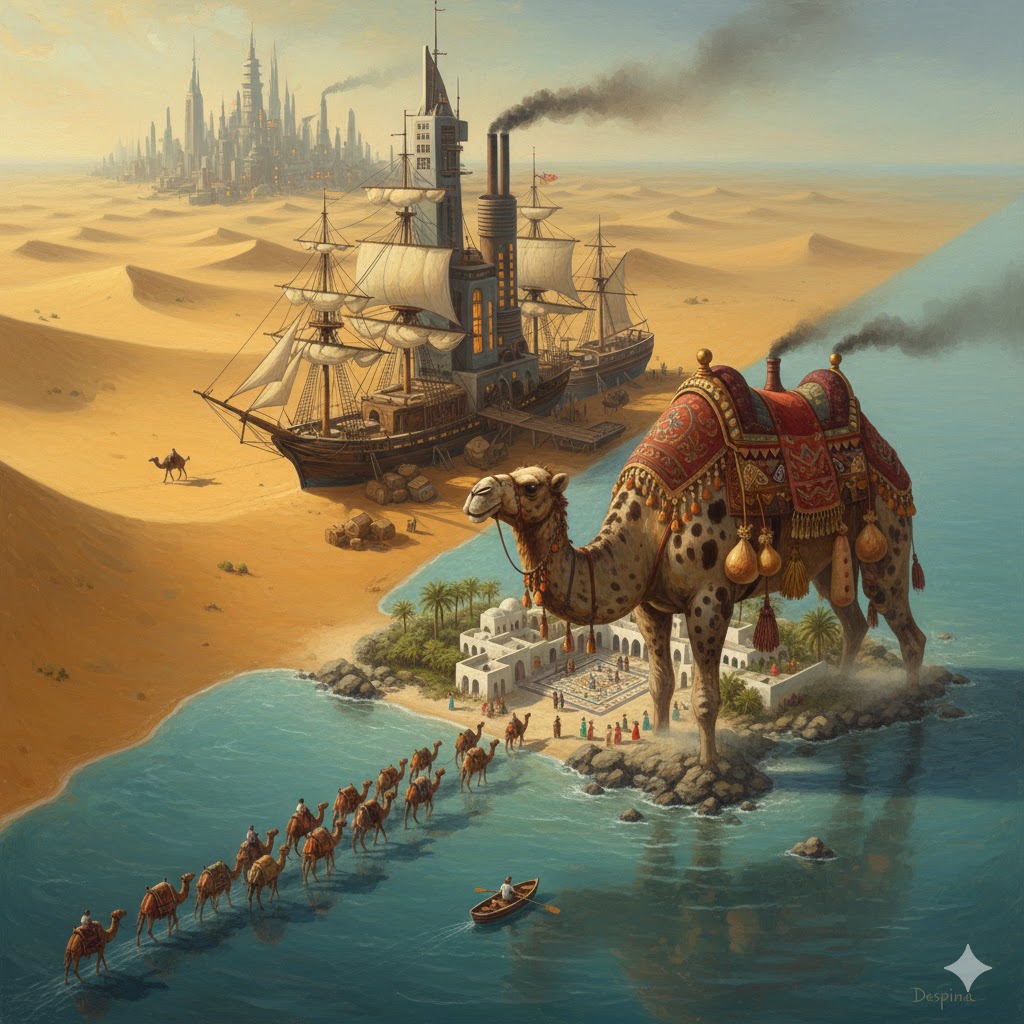
“Despina can be reached in two ways: by ship or by camel. The city displays one face to the traveler arriving overland and a different one to him who arrives by sea. When the camel driver sees, at the horizon of the tableland, the pinnacles of the skyscrapers come into view, the radar antennae, the white and red windsocks flapping, the chimneys belching smoke, he thinks of a ship; he knows it is a city, but he thinks of it as a vessel that will take him away from the desert, a windjammer about to cast off, with the breeze already swelling the sails, not yet unfurled, or a steamboat with its boiler vibrating in the iron keel; and he thinks of all the ports, the foreign merchandise the cranes unload on the docks, the taverns where crews of different flags break bottles over one another’s heads, the lighted, ground-floor windows, each with a woman combing her hair. In the coastline’s haze, the sailor discerns the form of a camel’s withers, an embroidered saddle with glittering fringe between two spotted humps, advancing and swaying; he knows it is a city, but he thinks of it as a camel from whose pack hang wineskins and bags of candied fruit, date wine, tobacco leaves, and already he sees himself at the head of a long caravan taking him away from the desert of the sea, toward oases of fresh water in the palm trees’ jagged shade, toward palaces of thick, whitewashed walls, tiled courts where girls are dancing barefoot, moving their arms, half-hidden by their veils, and half-revealed. Each city receives its form from the desert it opposes; and so the camel driver and the sailor see Despina, a border city between two deserts.”
Kentler ve Göstergeler – 2
ZIRMA
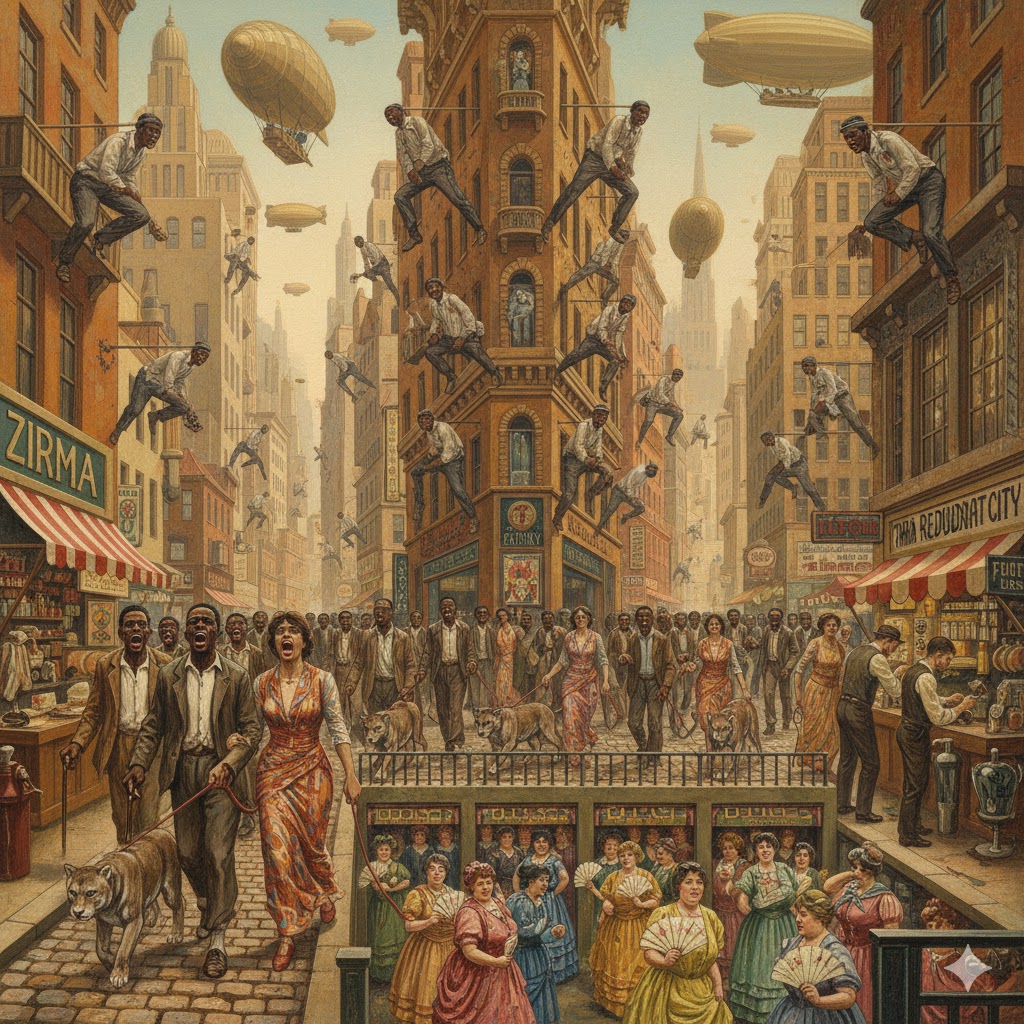
“Travelers return from the city of Zirma with distinct memories: a blind black man shouting in the crowd, a lunatic teetering on a skyscraper’s cornice, a girl walking with a puma on a leash. Actually many of the blind men who tap their canes on Zirma’s cobblestones are black; in every skyscraper there is someone going mad; all lunatics spend hours on cornices; there is no puma that some girl does not raise, as a whim. The city is redundant: it repeats itself so that something will stick in the mind. I too am returning from Zirma: my memory includes dirigibles flying in all directions, at window level; streets of shops where tattoos are drawn on sailors’ skin; underground trains crammed with obese women suffering from the humidity. My traveling companions, on the other hand, swear they saw only one dirigible hovering among the city’s spires, only one tattoo artist arranging needles and inks and pierced patterns on his bench, only one fat woman fanning herself on a train’s platform. Memory is redundant: it repeats signs so that the city can begin to exist.”
İnce Kentler – 1
ISAURA
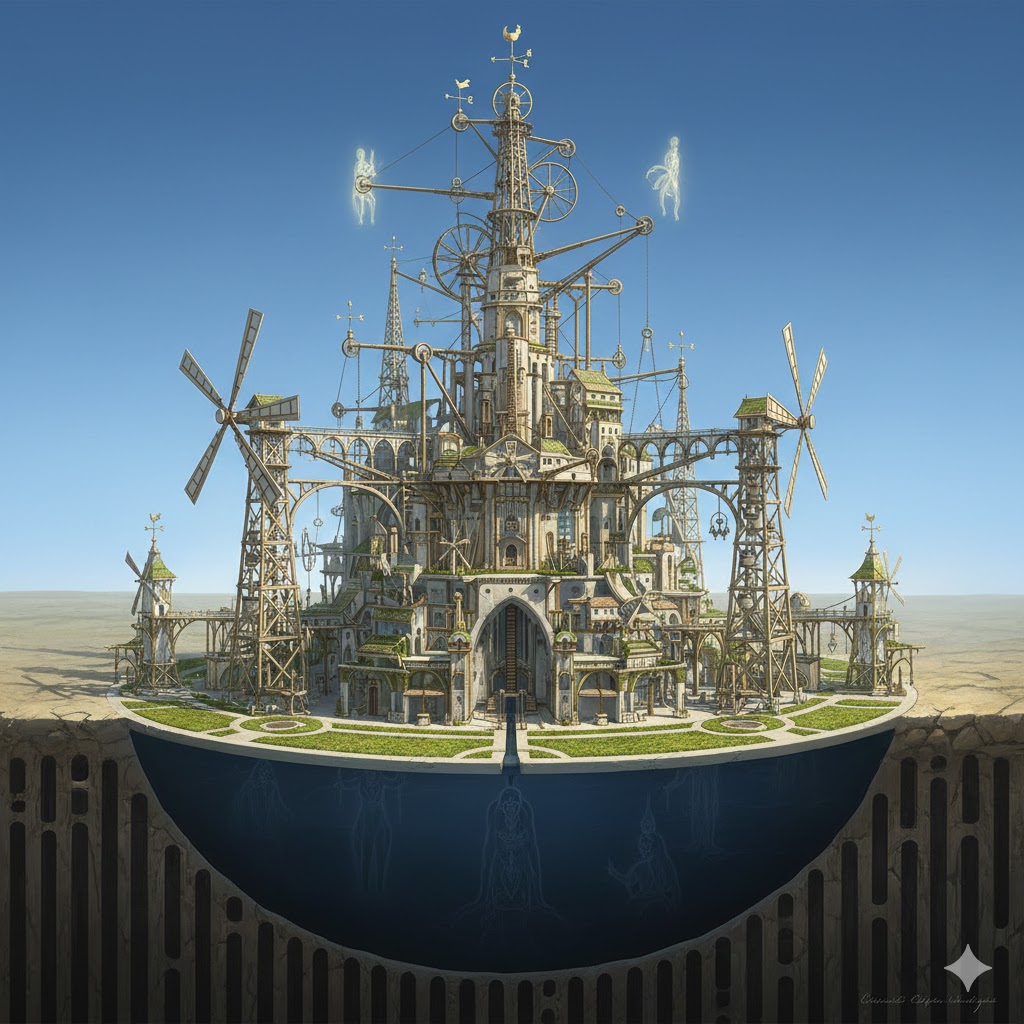
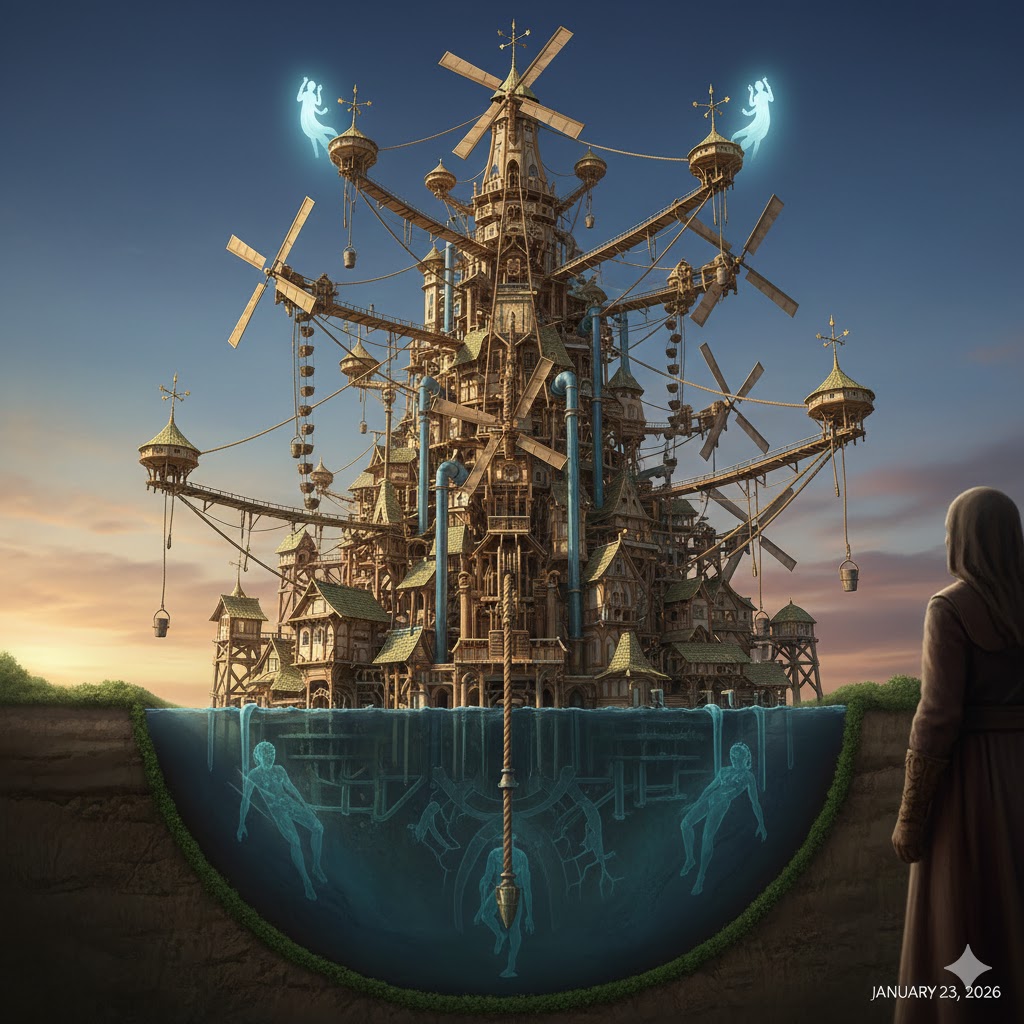
“Isaura, city of the thousand wells, is said to rise over a deep, subterranean lake. On all sides, wherever the inhabitants dig long vertical holes in the ground, they succeed in drawing up water, as far as the city extends, and no farther. Its green border repeats the dark outline of the buried lake; an invisible landscape conditions the visible one; everything that moves in the sunlight is driven by the lapping wave enclosed beneath the rock’s calcareous sky. Consequently two forms of religion exist in Isaura. The city’s gods, according to some people, live in the depths, in the black lake that feeds the underground streams. According to others, the gods live in the buckets that rise, suspended from a cable, as they appear over the edge of the wells, in the revolving pulleys, in the windlasses of the norias, in the pump handles, in the blades of the windmills that draw the water up from the drillings, in the trestles that support the twisting probes, in the reservoirs perched on stilts over the roofs, in the slender arches of the aqueducts, in all the columns of water, the vertical pipes, the plungers, the drains, all the way up to the weathercocks that surmount the airy scaffoldings of Isaura, a city that moves entirely upward.”
BÖLÜM 2
Kentler ve Anı – 5
MAURİLİA
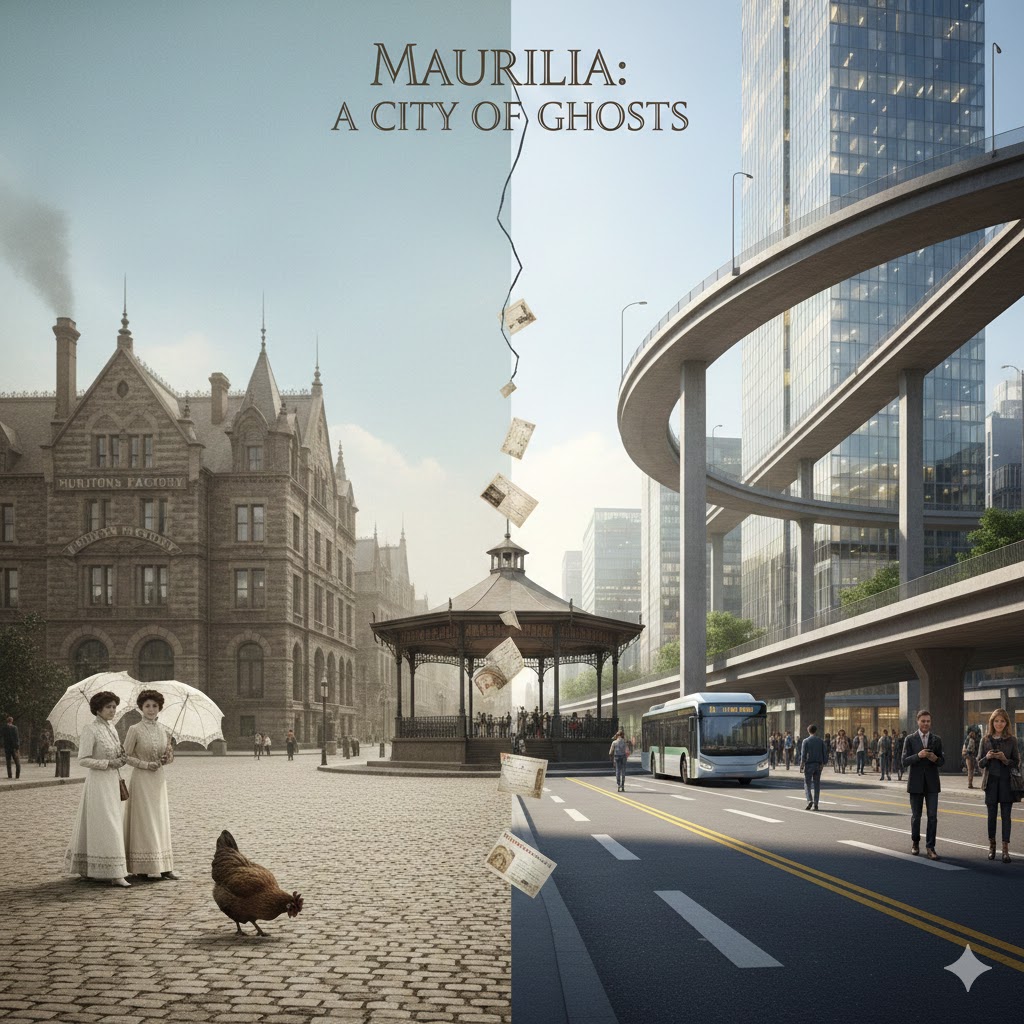
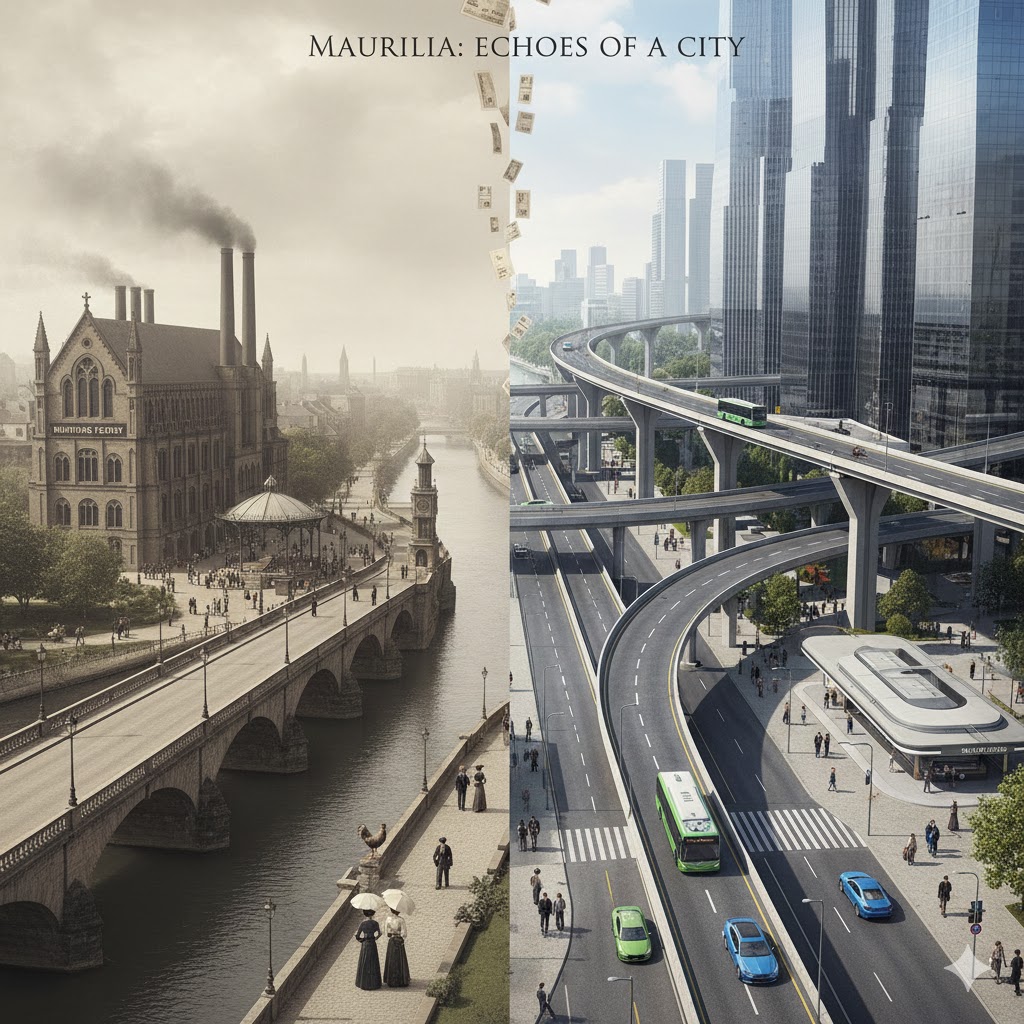
“In Maurilia, the traveler is invited to visit the city and, at the same time, to examine some old post cards that show it as it used to be: the same identical square with a hen in the place of the bus station, a bandstand in the place of the overpass, two young ladies with white parasols in the place of the munitions factory. If the traveler does not wish to disappoint the inhabitants, he must praise the postcard city and prefer it to the present one, though he must be careful to contain his regret at the changes within definite limits: admitting that the magnificence and prosperity of the metropolis Maurilia, when compared to the old, provincial Maurilia, cannot compensate for a certain lost grace, which, however, can be appreciated only now in the old post cards, whereas before, when that provincial Maurilia was before one’s eyes, one saw absolutely nothing graceful and would see it even less today, if Maurilia had remained unchanged; and in any case the metropolis has the added attraction that, through what it has become, one can look back with nostalgia at what it was.
Beware of saying to them that sometimes different cities follow one another on the same site and under the same name, born and dying without knowing one another, without communication among themselves. At times even the names of the inhabitants remain the same, and their voices’ accent, and also the features of the faces; but the gods who live beneath names and above places have gone off without a word and outsiders have settled in their place. It is pointless to ask whether the new ones are better or worse than the old, since there is no connection between them, just as the old post cards do not depict Maurilia as it was, but a different city which, by chance, was called Maurilia, like this one.”
Kentler ve Arzu – 4
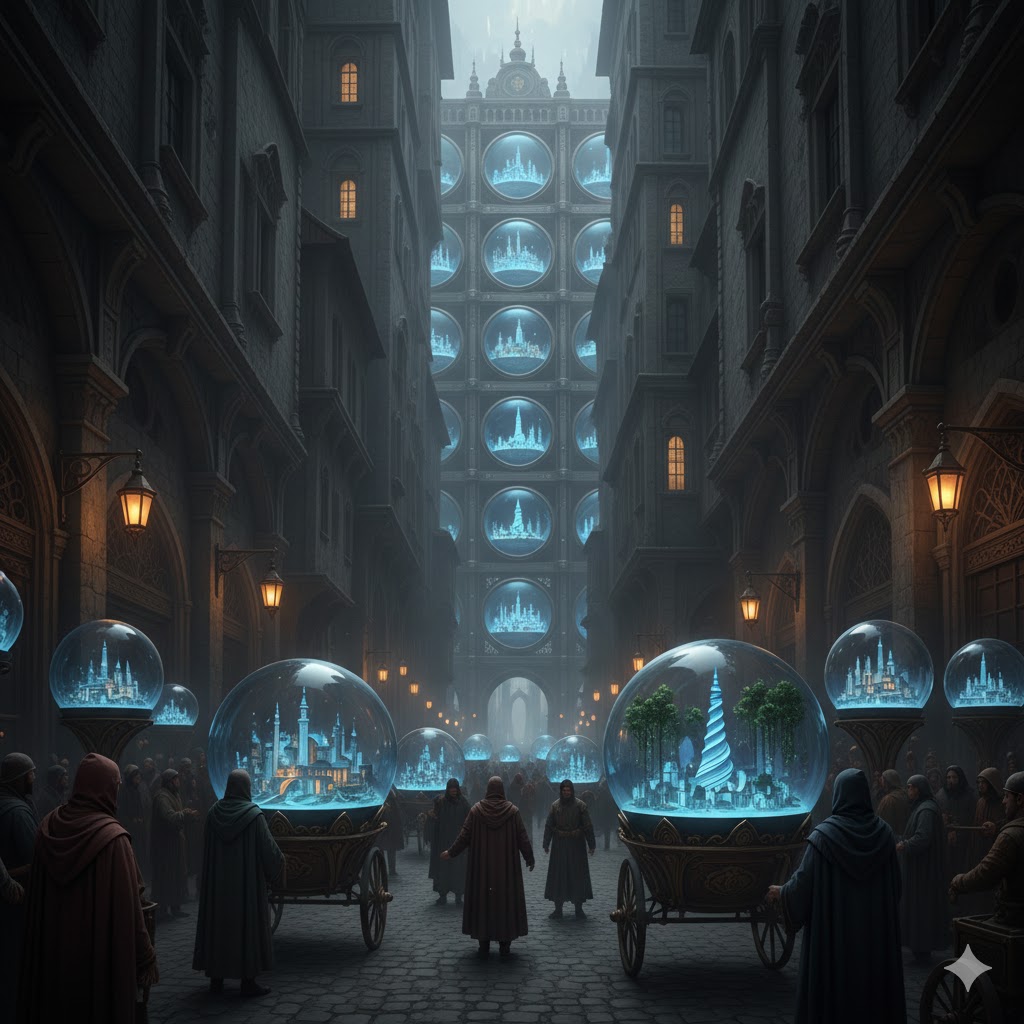
FEDORA
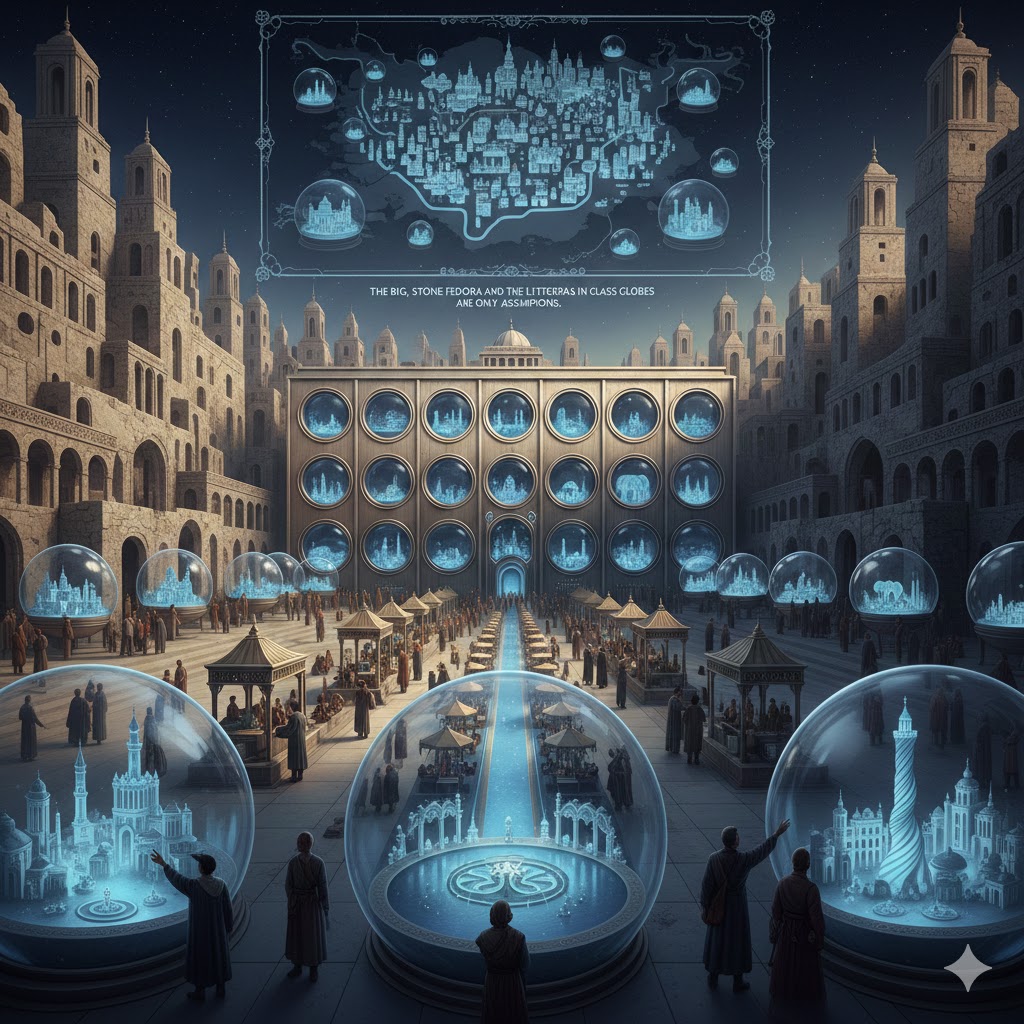
“In the center of Fedora, that gray stone metropolis, stands a metal building with a crystal globe in every room. Looking into each globe, you see a blue city, the model of a different Fedora. These are the forms the city could have taken if, for one reason or another, it had not become what we see today. In every age someone, looking at Fedora as it was, imagined a way of making it the ideal city, but while he constructed his miniature model, Fedora was already no longer the same as before, and what had been until yesterday a possible future became only a toy in a glass globe.
The building with the globes is now Fedora’s museum: every inhabitant visits it, chooses the city that corresponds to his desires, contemplates it, imagining his reflection in the medusa pond that would have collected the waters of the canal (if it had not been dried up), the view from the high canopied box along the avenue reserved for elephants (now banished from the city), the fun of sliding down the spiral, twisting minaret (which never found a pedestal from which to rise).
On the map of your empire, O Great Khan, there must be room both for the big, stone Fedora and the little Fedoras in glass globes. Not because they are all equally real, but because all are only assumptions. The one contains what is accepted as necessary when it is not yet so; the others, what is imagined as possible and, a moment later, is possible no longer.”
Kentler ve Göstergeler – 3
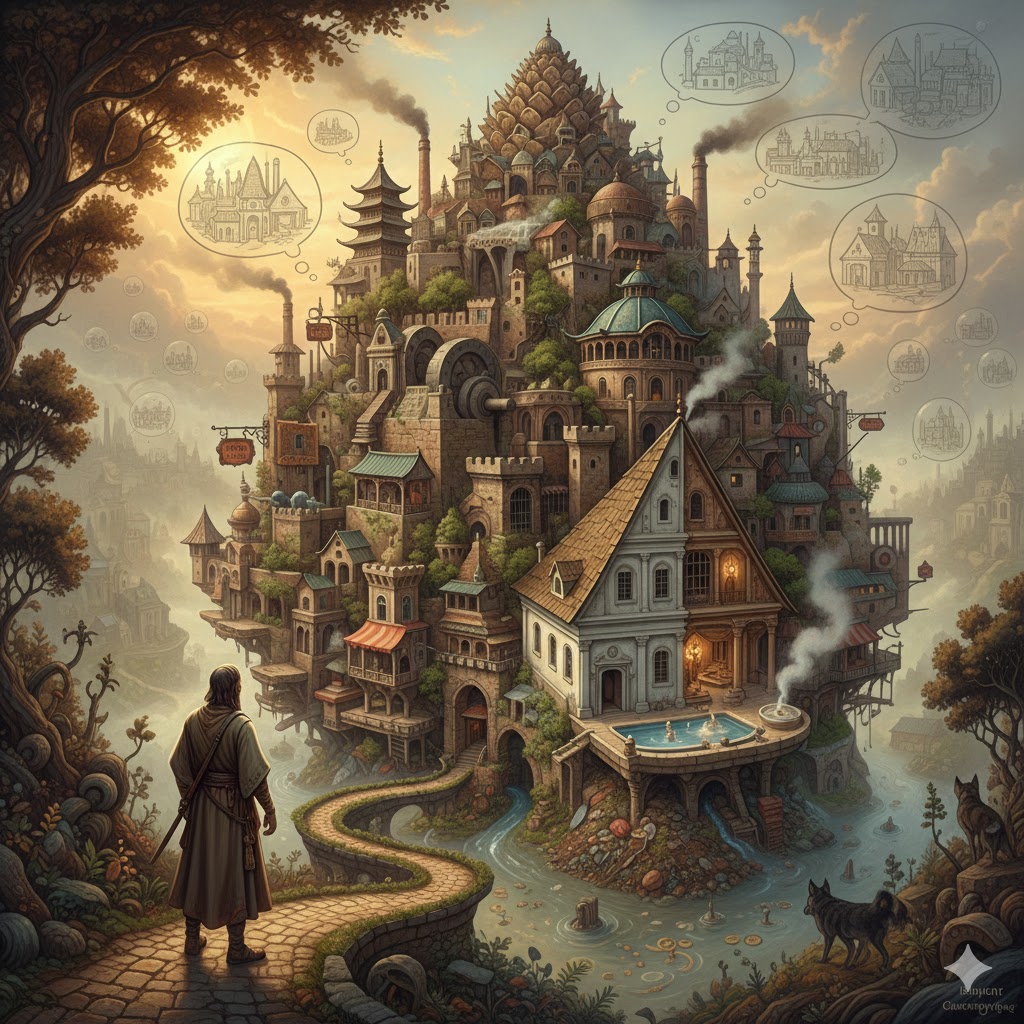
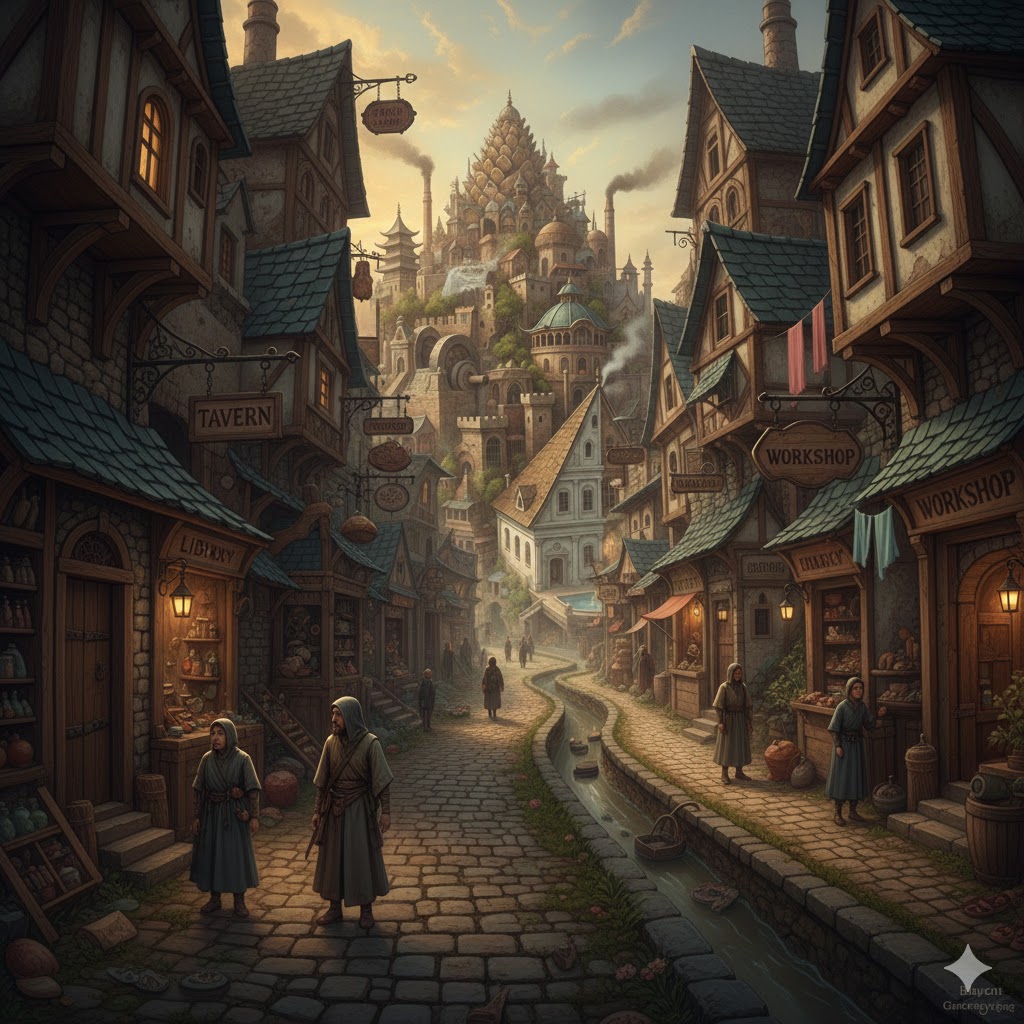
ZOE
“The man who is traveling and does not yet know the city awaiting him along his route wonders what the palace will be like, the barracks, the mill, the theater, the bazaar. In every city of the empire every building is different and set in a different order: but as soon as the stranger arrives at the unknown city and his eye penetrates the pine cone of pagodas and garrets and haymows, following the scrawl of canals, gardens, rubbish heaps, he immediately distinguishes which are the princes’ palaces, the high priests’ temples, the tavern, the prison, the slum. This some say confirms the hypothesis that each man bears in his mind a city made only of differences, a city without figures and without form, and the individual cities fill it up.
This is not true of Zoe. In every point of this city you can, in turn, sleep, make tools, cook, accumulate gold, disrobe, reign, sell, question oracles. Any one of its pyramid roofs could cover the leprosarium or the odalisques’ baths. The traveler roams all around and has nothing but doubts: he is unable to distinguish the features of the city, the features he keeps distinct in his mind also mingle.
He infers this: if existence in all its moments is all of itself, Zoe is the place of indivisible existence. But why, then, does the city exist? What line separates the inside from the outside, the rumble of wheels from the howl of wolves?”
İnce Kentler – 2
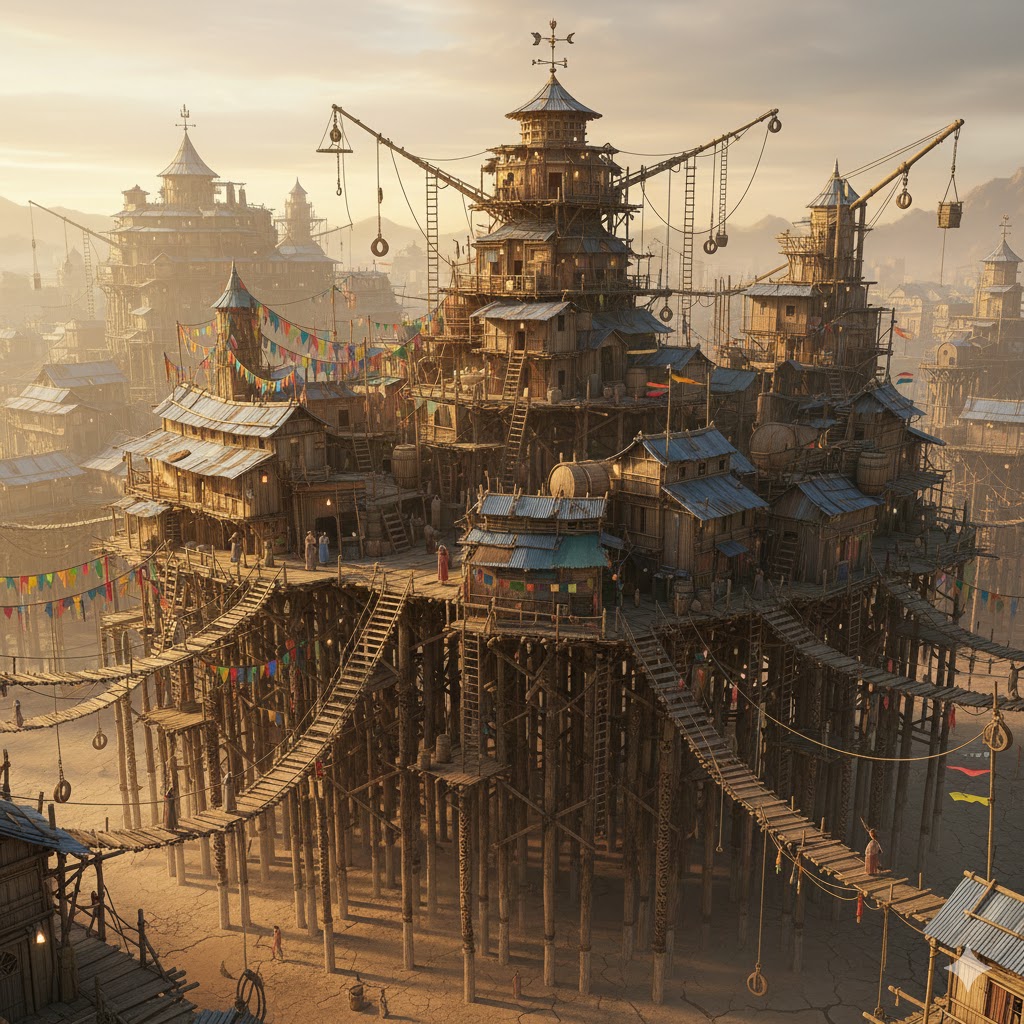
ZENOBİA
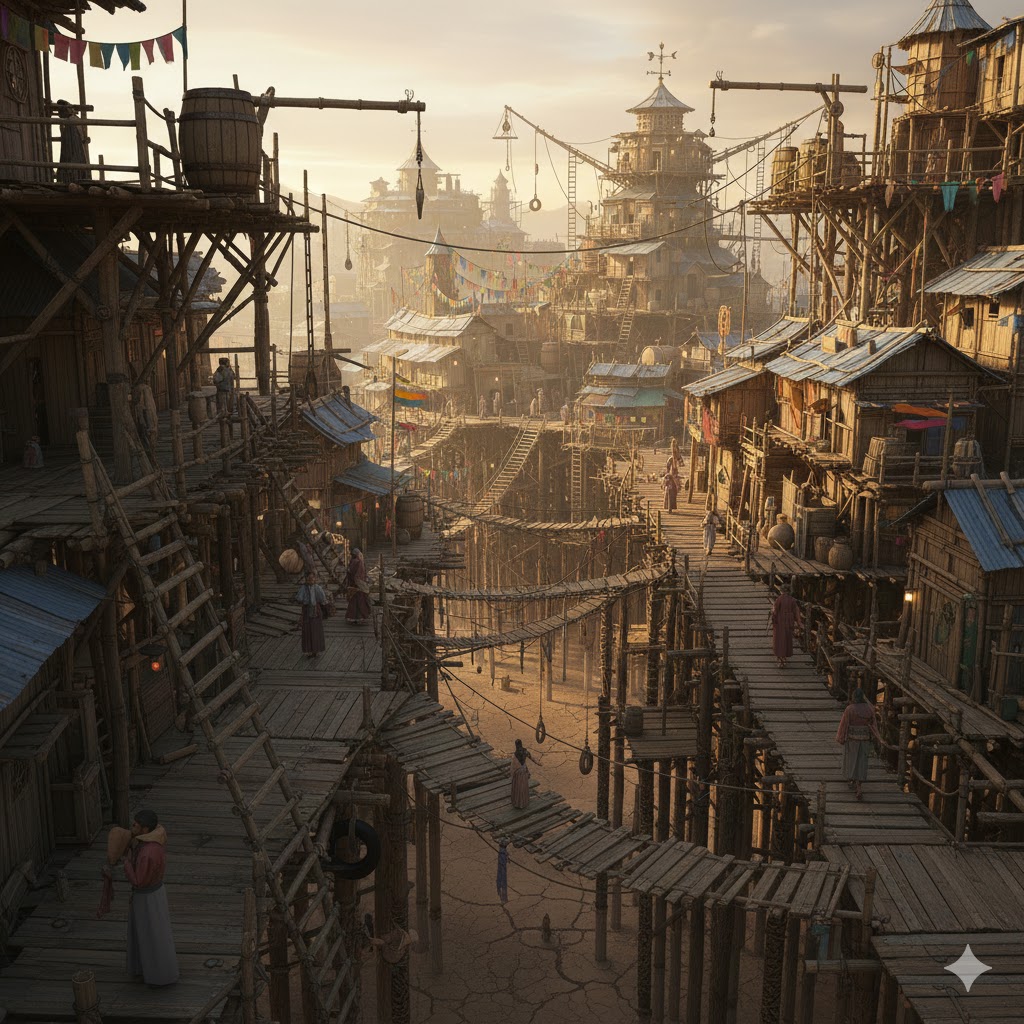
“Now I shall tell of the city of Zenobia, which is wonderful in this fashion: though set on dry terrain it stands on high pilings, and the houses are of bamboo and zinc, with many platforms and balconies placed on stilts at various heights, crossing one another, linked by ladders and hanging sidewalks, surmounted by cone-roofed belvederes, barrels storing water, weather vanes, jutting pulleys, and fish poles, and cranes.
No one remembers what need or command or desire drove Zenobia’s founders to give their city this form, and so there is no telling whether it was satisfied by the city as we see it today, which has perhaps grown through successive superimpositions from the first, now undecipherable plan. But what is certain is that if you ask an inhabitant of Zenobia to describe his vision of a happy life, it is always a city like Zenobia that he imagines, with its pilings and its suspended stairways, a Zenobia perhaps quite different, a-flutter with banners and ribbons, but always derived by combining elements of that first model.
This said, it is pointless trying to decide whether Zenobia is to be classified among happy cities or among the unhappy. It makes no sense to divide cities into these two species, but rather into another two: those that through the years and the changes continue to give their form to desires, and those in which desires either erase the city or are erased by it.”
Kentler ve Takas – 1
EUFEMIA
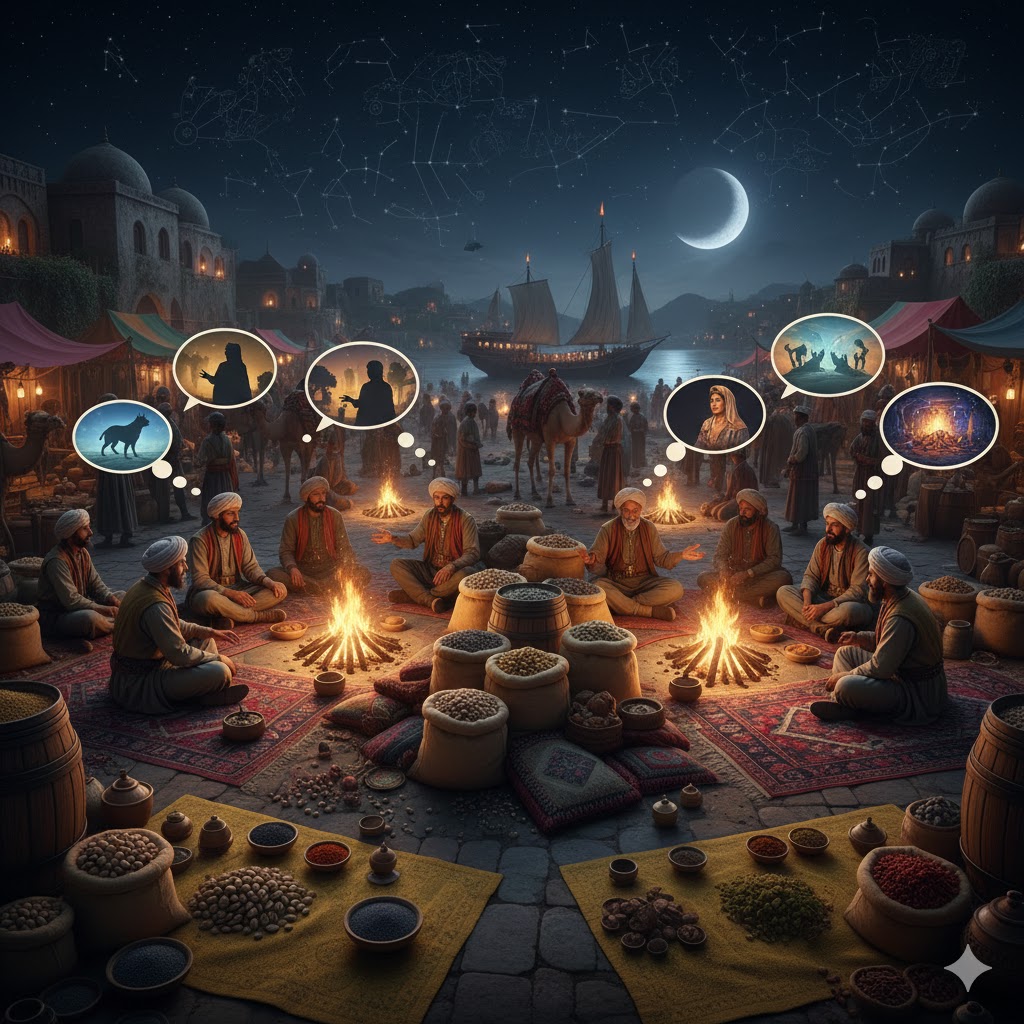
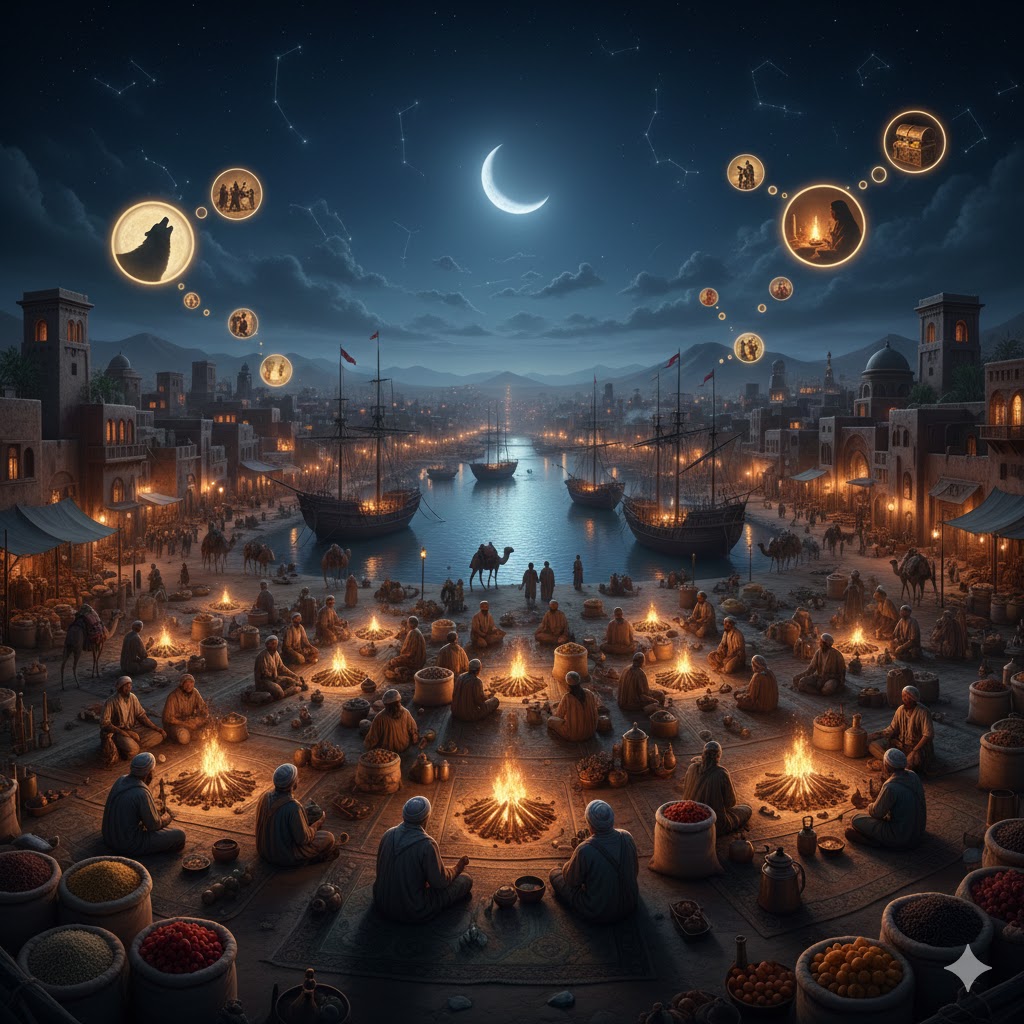
“Proceeding eighty miles into the northwest wind, you reach the city of Euphemia, where the merchants of seven nations gather at every solstice and equinox. The boat that lands there with a cargo of ginger and cotton will set sail again, its hold filled with pistachio nuts and poppy seeds, and the caravan that has just unloaded sacks of nutmegs and raisins is already cramming its saddlebags with bolts of golden muslin for the return journey. But what drives men to travel up rivers and cross deserts to come here is not only the exchange of wares, which you could find, everywhere the same, in all the bazaars inside and outside the Great Khan’s empire, scattered at your feet on the same yellow mats, in the shade of the same awnings protecting them from the flies, offered with the same lying reduction in prices.
You do not come to Euphemia only to buy and sell, but also because at night, by the fires all around the market, seated on sacks or barrels or stretched out on piles of carpets, at each word that one man says—such as “wolf,” “sister,” “hidden treasure,” “battle,” “scabies,” “lovers”—the others tell, each one, his tale of wolves, sisters, treasures, scabies, lovers, battles. And you know that in the long journey ahead of you, when to keep awake against the camel’s swaying or the junk’s rocking, you start summoning up your memories one by one, your wolf will have become another wolf, your sister a different sister, your battle other battles, on your return from Euphemia, the city where memory is traded at every solstice and at every equinox.”
BÖLÜM 3
Kentler ve Arzu – 5
ZOBEIDE
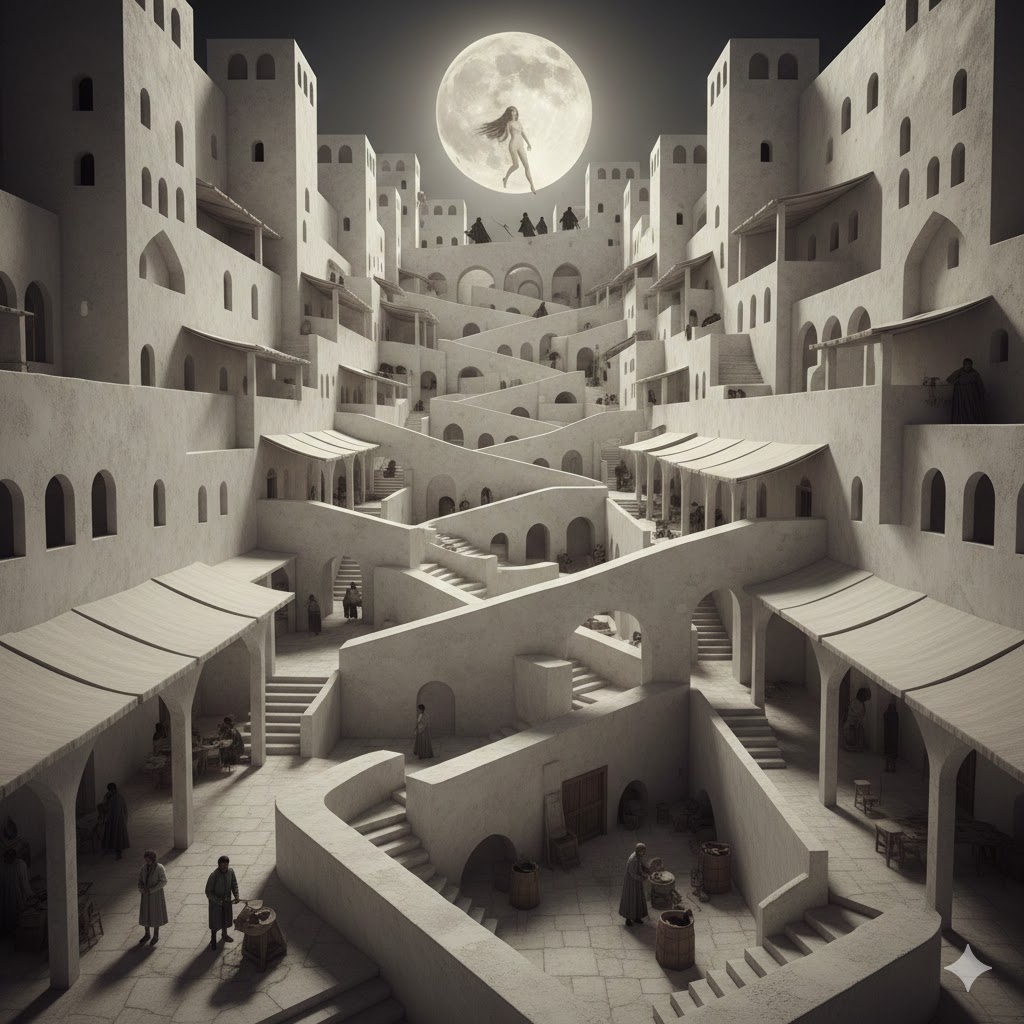
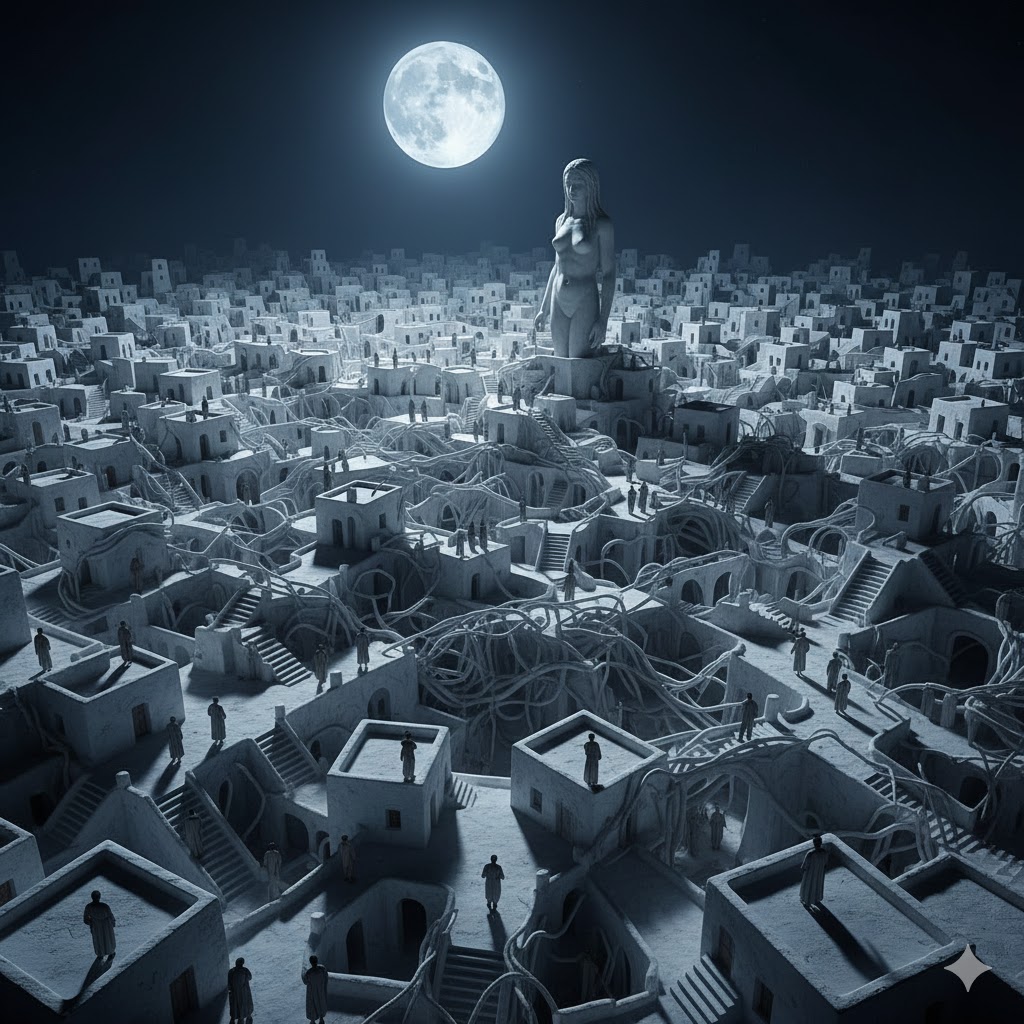
“After traveling for six days and seven nights, you arrive at Zobeide, a white city exposed to the moon with streets wound like a skein. The city was founded by men from various nations who all shared an identical dream of pursuing a naked, long-haired woman through an unknown city at night. In their dreams, each man lost her trail as they twisted and turned through the streets. Though they never found the city from their dreams, the men found each other and decided to build Zobeide to replicate it.
In laying out the streets, each man followed the path of his own pursuit; however, at the exact spots where they had lost the woman, they arranged the walls and spaces differently than in the dream to ensure she could never escape again. They settled there, waiting for the scene to repeat, but the woman was never seen again, asleep or awake. Over time, the streets became mundane places of daily work, and the original chase was forgotten.
Later, new men arrived who had experienced the same dream. Recognizing elements of their dream in Zobeide, they constantly altered the city’s arcades and stairways to more closely resemble the path of the pursued woman, hoping to eliminate any avenue of escape. To the original inhabitants, who no longer remembered the dream, it was impossible to understand what drew these newcomers to such an ugly city, which had become nothing more than a trap.”
Kentler ve Göstergeler – 4
IPAZIA (orijinalinde Hypatia)
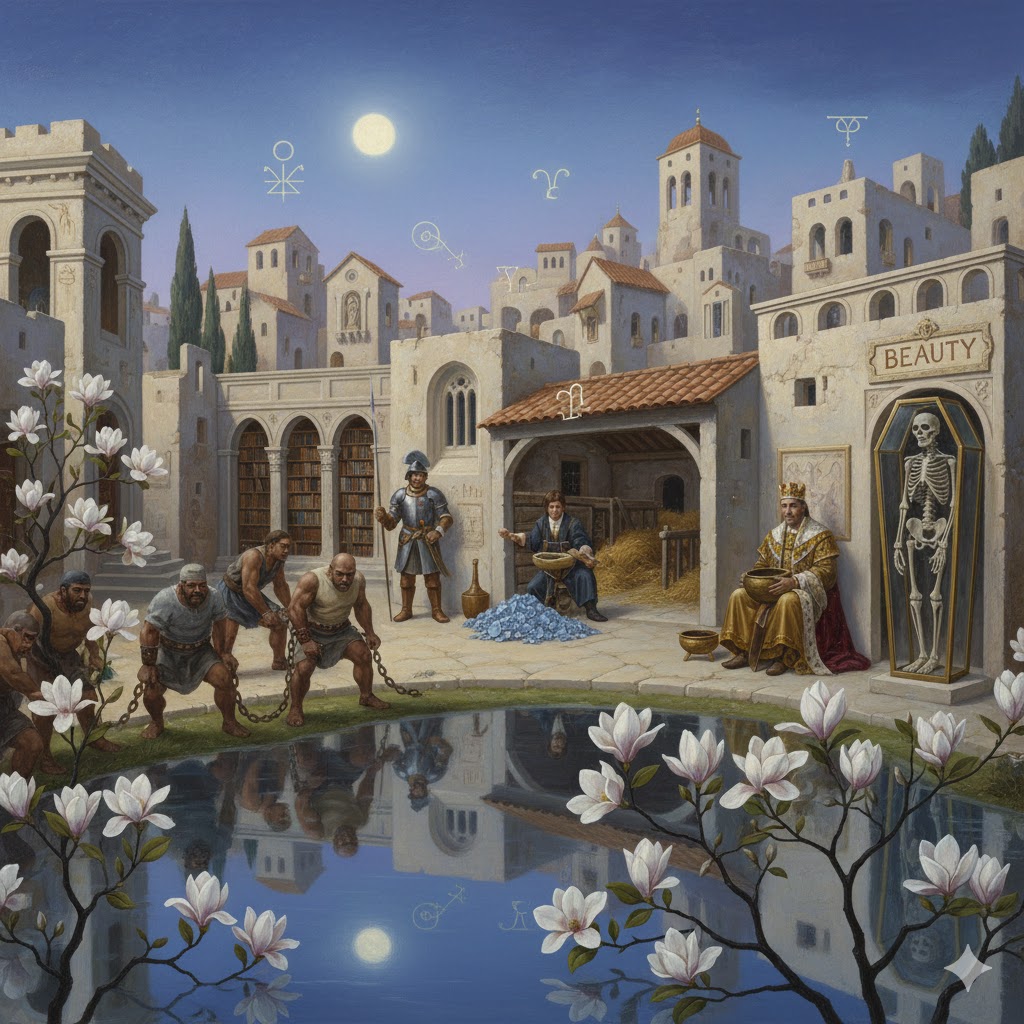
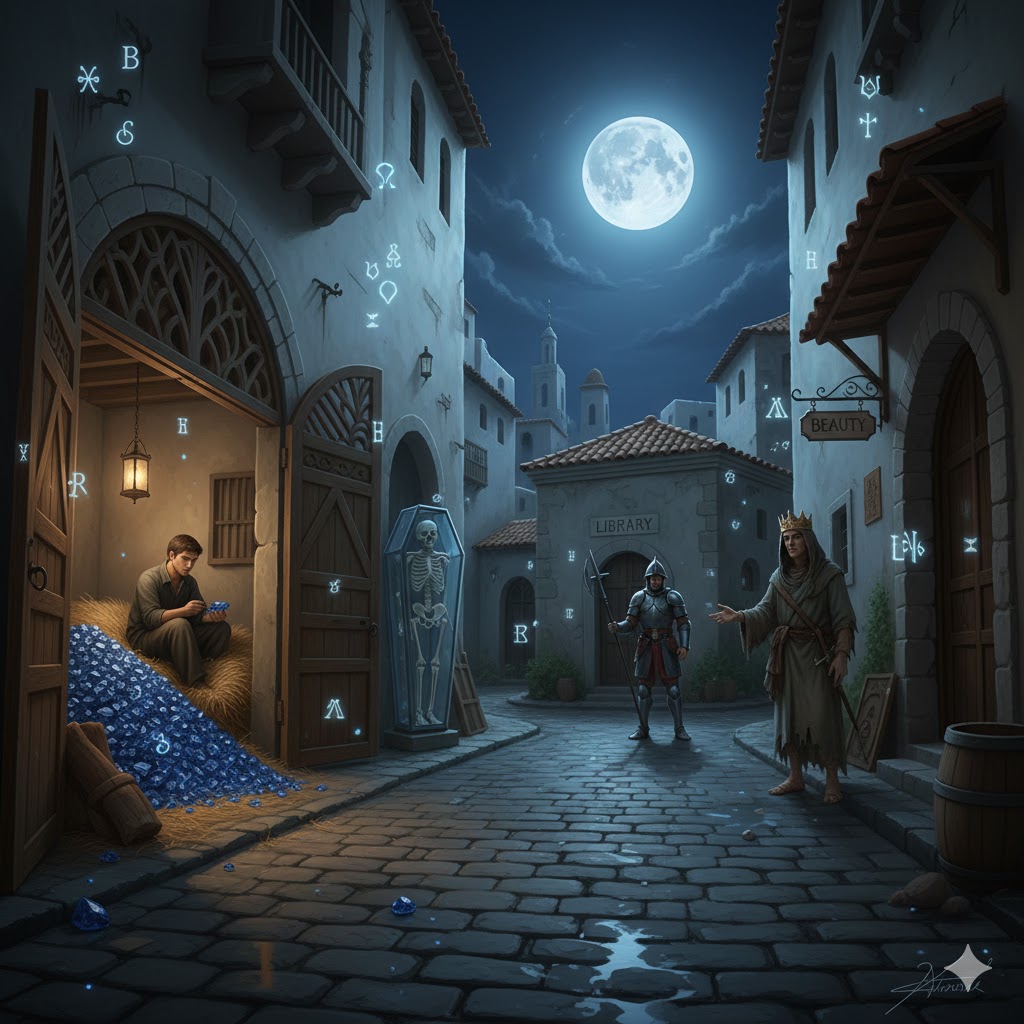
“No matter how far you travel, at some point you will reach Hypatia, a city where the language is composed not of words, but of things. Upon entering, the traveler sees a magnolia garden reflecting in a blue lagoon, yet instead of lovers, they find fierce prisoners clanking their chains. Seeking a philosopher, the traveler is directed to a stable where a youth is counting diamonds, while a library is guarded by a captain of the guards. Even the most basic signs are inverted; a traveler wanting to see a beautiful woman finds instead a skeleton in a glass coffin, and a beggar asking for alms is actually a prince in disguise.
Eventually, the traveler realizes that in Hypatia, the meaning of everything has been shifted. To understand the city, one must learn that a sign does not represent what it seems to be, but rather its opposite or something entirely unrelated. The logic of the city is built on this web of visual deceptions, where the truth is hidden behind a mask of contradictory symbols.”
İnce Kentler – 3
ARMILLA
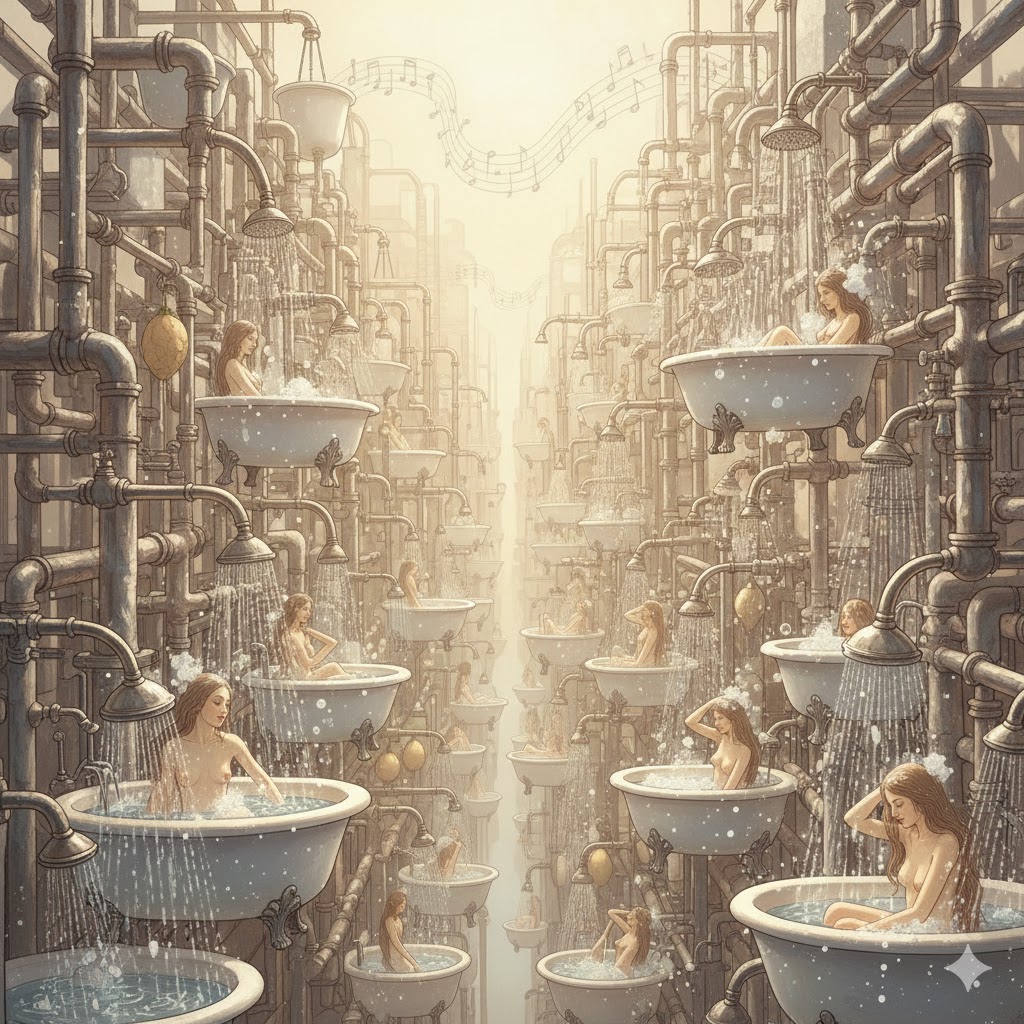
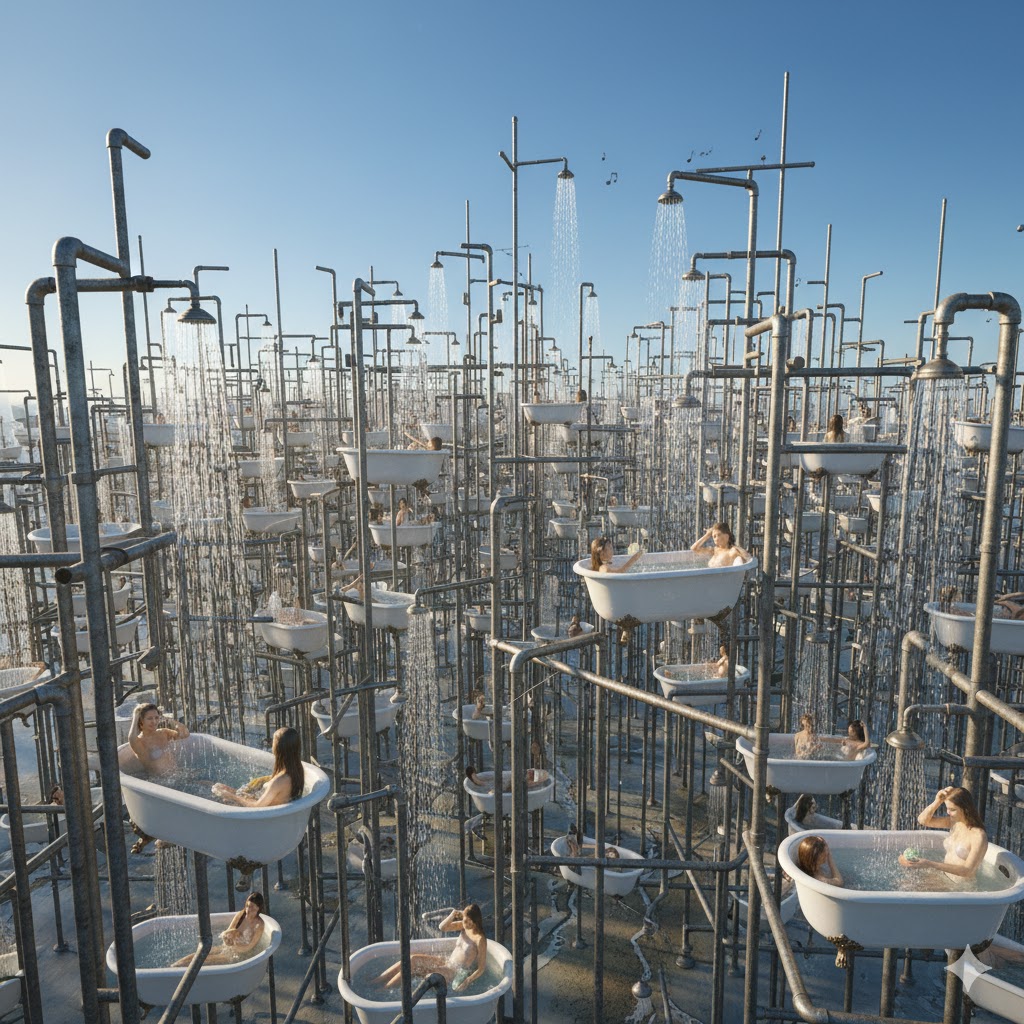
“Whether Armilla is unfinished or has been demolished due to an enchantment or a whim remains unknown, but the city notably lacks walls, ceilings, and floors. It consists entirely of a forest of water pipes that rise vertically where houses should be and spread out horizontally where floors should be, ending in various taps, showers, and spouts. Against the sky, white porcelain bathtubs and lavabos stand out like late fruit hanging from boughs, giving the impression that plumbers finished their work before bricklayers arrived, or that these indestructible hydraulic systems survived a great catastrophe. Despite its appearance, Armilla is not deserted; at any hour, one can glimpse slender young women luxuriating in bathtubs or arching their backs under showers suspended in the void. In the sunlight, the water from the showers and taps glistens alongside sponges’ suds as these women wash, perfume themselves, or comb their long hair.
This unique state suggests that the water channeled through the pipes has been claimed by nymphs and naiads. Accustomed to underground veins, these beings easily entered this new aquatic realm to enjoy its fountains and mirrors. Their presence may have driven out humans, or perhaps humans built Armilla as a votive offering to appease these nymphs after misusing the natural waters. Regardless of its origin, these maidens now seem content, and their singing can be heard every morning.”
Kentler ve Takas – 2
CLOE
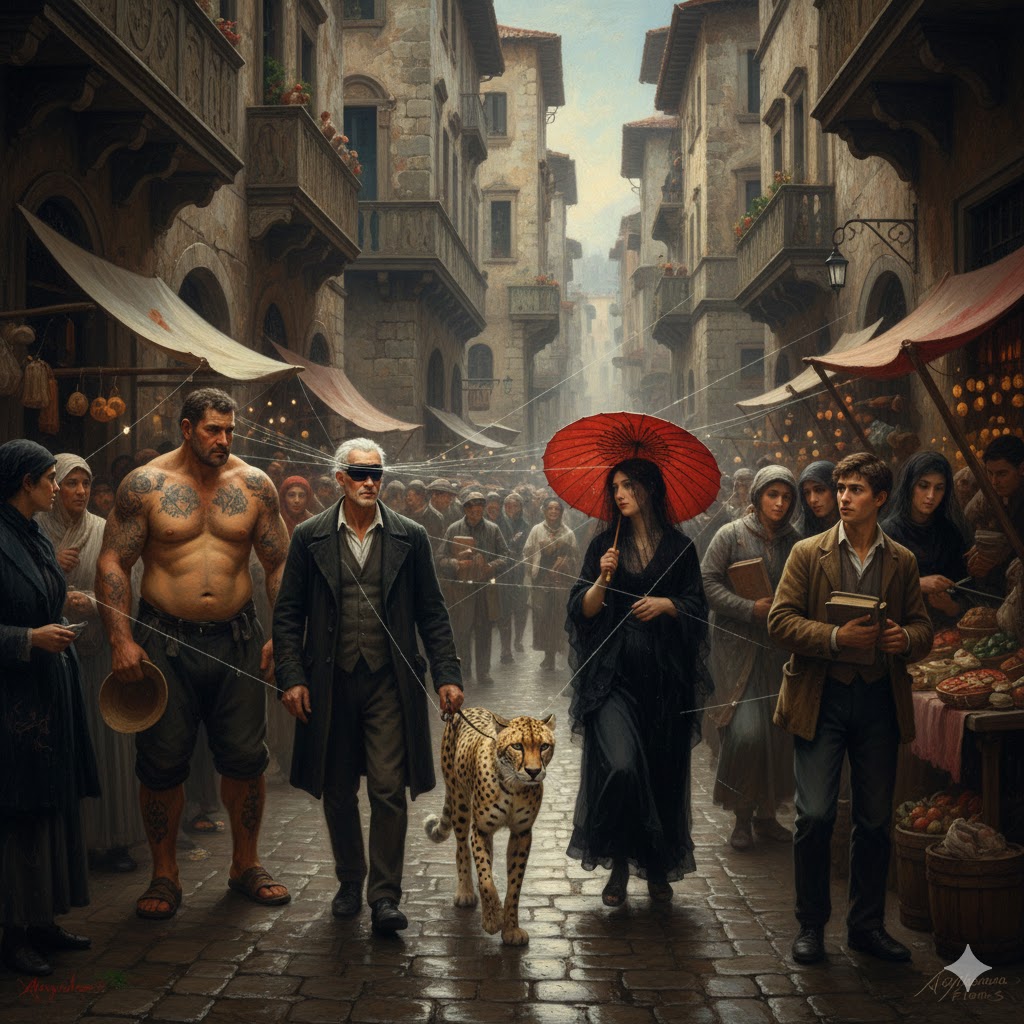
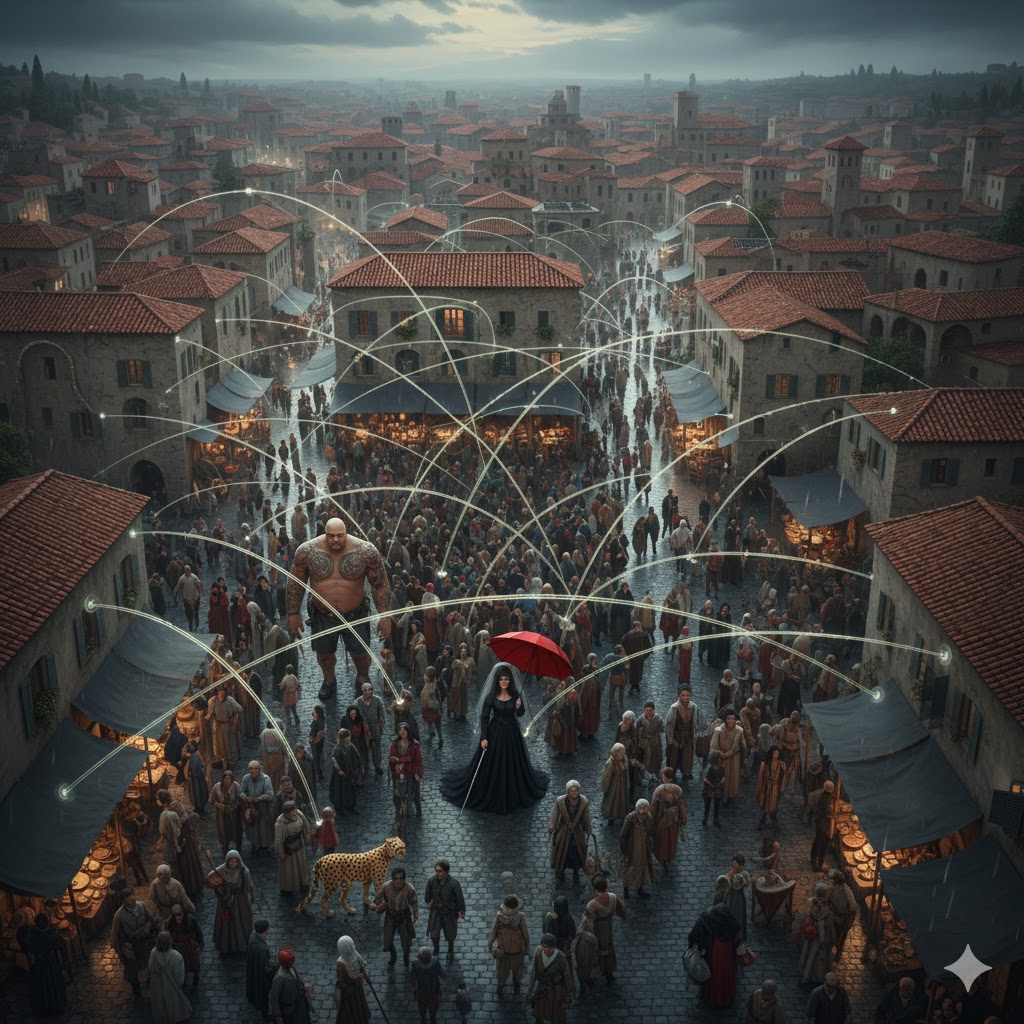
“In the great city of Chloe, the streets are filled with people who remain total strangers to one another. At every encounter, they imagine a thousand possible interactions—conversations, surprises, or caresses—yet no one actually offers a greeting. Their eyes lock for a mere second before darting away to seek new targets, never lingering. The crowd is a diverse mosaic of figures: a girl twirling a parasol, a restless woman in black behind a veil, a tattooed giant, a young man with white hair, and even a blind man leading a cheetah on a leash. An invisible exchange of glances connects these figures like geometric lines, exhausting all possible combinations in a single moment.
When people gather under an arcade to escape the rain or crowd together in a bazaar, complex scenarios of seduction and intimacy are mentally consummated without a single word being spoken or a finger touching. This creates a constant “voluptuous vibration” in Chloe, which ironically remains the most chaste of cities because nothing is ever acted upon. If the inhabitants were to actually live out their ephemeral dreams, their fantasies would turn into real stories of misunderstandings and clashes, and the magical carousel of their imagination would come to a halt.”
Kentler ve Gözler – 1
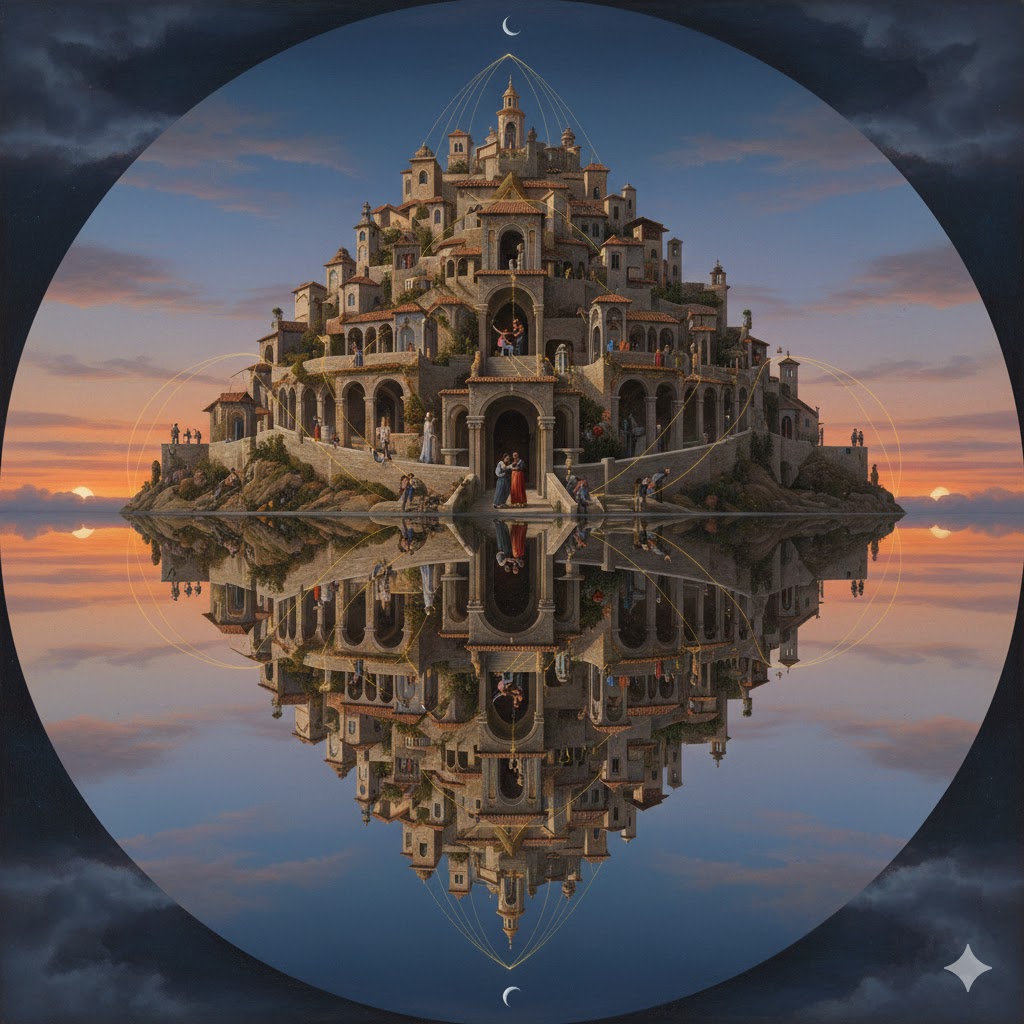
VALDRADA
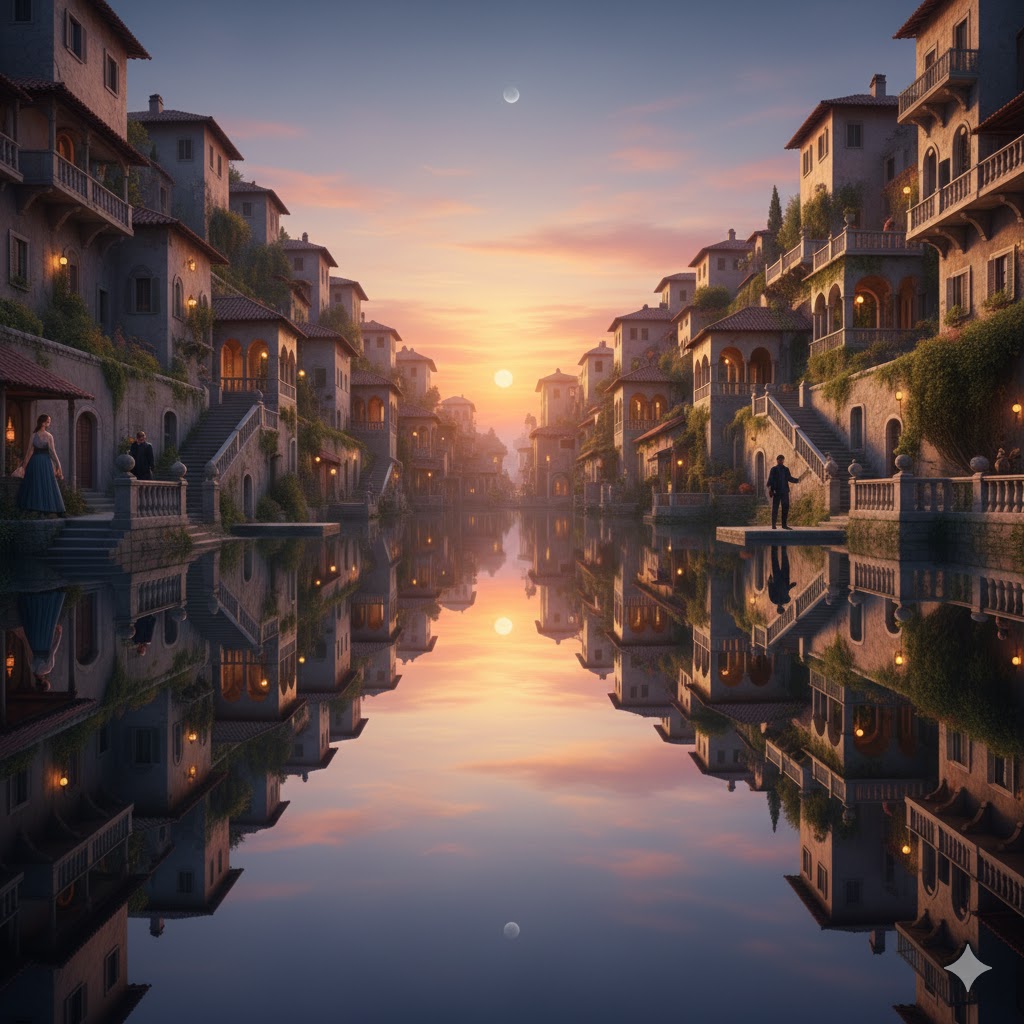
“The ancients built Valdrada on the shores of a lake, featuring houses with tiered verandas and high streets with parapets overlooking the water. Upon arrival, a traveler sees two cities: one standing erect above the lake and its identical, upside-down reflection in the water. Every detail of the city—from the juttings of the facades to the interiors of the rooms, including ceilings, floors, and even the mirrors inside wardrobes—is perfectly repeated in the lake. Consequently, the inhabitants of Valdrada are constantly aware that every action they perform is simultaneously its own mirror-image, a realization that prevents them from ever acting out of chance or forgetfulness. Whether it is the intimacy of lovers or the violence of a murder, what truly matters to them is not the act itself, but the cold and limpid reflection of that act in the mirror.
While the two cities are interlocked and live for each other, they are not equal or truly symmetrical. The mirror sometimes increases the value of a thing and at other times denies it, as not everything that appears significant above maintains its force when reflected. Every face and gesture is met with an inverted response from the water, point by point, creating a relationship where their eyes are forever locked, yet there is no love between the two Valdradas.”
BÖLÜM 4
Kentler ve Göstergeler – 5
İnce Kentler – 4
Kentler ve Takas – 3
Kentler ve Gözler – 2
Kentler ve Ad – 1
BÖLÜM 5
İnce Kentler – 5
Kentler ve Takas – 4
Kentler ve Gözler – 3
Kentler ve Ad – 2
Kentler ve Ölüler – 1
BÖLÜM 6
Kentler ve Takas – 5
Kentler ve Gözler – 4
Kentler ve Ad – 3
Kentler ve Ölüler – 2
Kentler ve Gökyüzü – 1
BÖLÜM 7
Kentler ve Gözler – 5
Kentler ve Ad – 4
Kentler ve Ölüler – 3
Kentler ve Gökyüzü – 2
Sürekli Kentler – 1
BÖLÜM 8
Kentler ve Ad – 5
Kentler ve Ölüler – 4
Kentler ve Gökyüzü – 3
Sürekli Kentler – 2
Gizli Kentler – 1
BÖLÜM 9
Kentler ve Ölüler – 5
Kentler ve Gökyüzü – 4
Sürekli Kentler – 3
Gizli Kentler – 2
Kentler ve Gökyüzü – 5
Sürekli Kentler – 4
Gizli Kentler – 3
Sürekli Kentler – 5
Gizli Kentler – 4
Gizli Kentler – 5
 Arkeo Gezi